Frequently Asked Questions
How can I become a physiotherapist?
To become a physiotherapist, you typically need to complete a relevant undergraduate degree in physiotherapy, followed by clinical training and obtaining a license or registration to practice in your region.
What can physiotherapists do?
Physiotherapists can assess, diagnose, and treat physical conditions to enhance mobility and alleviate pain. They develop personalized rehabilitation programs, utilizing therapeutic exercises and techniques to support recovery from injuries, surgeries, and chronic pain.
How do you become a physiotherapist?
To become a physiotherapist, one must typically complete a relevant degree in physiotherapy, gain practical experience through internships, and obtain necessary licensure or certification to practice in their region.
What qualifications are needed for physiotherapy?
The qualifications needed for physiotherapy include a bachelor's or master's degree in physiotherapy, completion of clinical practice requirements, and obtaining a license to practice, which often involves passing a national examination.
What are the main duties of a physiotherapist?
The main duties of a physiotherapist include assessing patients' physical conditions, developing personalized treatment plans, providing therapeutic exercises, and educating patients on injury prevention and rehabilitation techniques to enhance mobility and overall physical health.
How long is physiotherapy training?
The duration of physiotherapy training typically spans from three to four years for a bachelor's degree, followed by additional clinical practice or postgraduate training, depending on the specialization pursued.
What skills do physiotherapists require?
The skills required for physiotherapists include strong communication, empathy, critical thinking, and problem-solving abilities, along with expertise in anatomy, physiology, and therapeutic techniques to effectively support patient recovery and improve mobility.
How does one specialize in physiotherapy?
Specializing in physiotherapy involves obtaining a degree in physiotherapy, followed by additional training or education in a specific area, such as sports rehabilitation or geriatrics, to enhance expertise and provide targeted care for patients.
What are common conditions treated by physiotherapists?
Common conditions treated by physiotherapists include sports injuries, post-surgical rehabilitation, arthritis, back pain, and neurological disorders. Through therapeutic exercises and personalized care, physiotherapists aim to alleviate pain and improve mobility for their patients.
How can physiotherapy help with recovery?
Physiotherapy plays a crucial role in recovery by enhancing mobility, reducing pain, and improving strength through tailored therapeutic exercises. It aids individuals in regaining function post-injury or surgery, supporting a successful rehabilitation journey.
What techniques are used in physiotherapy?
The techniques used in physiotherapy include manual therapy, therapeutic exercises, modalities like heat or cold therapy, electrotherapy, and education on injury prevention and pain management, all aimed at enhancing mobility and facilitating recovery.
What is the role of a physiotherapist?
The role of a physiotherapist is to assess, diagnose, and treat individuals with physical impairments or disabilities, using tailored therapeutic exercises and rehabilitation techniques to enhance mobility, alleviate pain, and promote overall physical health.
How important is continuing education for physiotherapists?
The importance of continuing education for physiotherapists cannot be overstated. It ensures they stay updated with the latest techniques and evidence-based practices, enhancing their ability to provide effective patient care and improve recovery outcomes.
What settings do physiotherapists work in?
Physiotherapists work in various settings, including hospitals, rehabilitation centers, private clinics, sports facilities, and home healthcare, providing tailored care to patients recovering from injuries or managing chronic conditions.
How do physiotherapists assess patient conditions?
Physiotherapists assess patient conditions through comprehensive evaluations, which include examining medical history, conducting physical tests, and observing movement patterns to determine the best therapeutic exercises and interventions for recovery and improved mobility.
What is the average salary of a physiotherapist?
The average salary of a physiotherapist varies by location and experience, typically ranging from $60,000 to $85,000 annually in the United States.
What types of patients seek physiotherapy?
Various types of patients seek physiotherapy, including those recovering from injuries, surgeries, chronic pain conditions, and mobility issues. Additionally, athletes looking for performance enhancement and individuals with disabilities or age-related limitations also benefit from physiotherapy services.
How can physiotherapy improve mobility?
Physiotherapy can significantly improve mobility by employing targeted therapeutic exercises that enhance strength, flexibility, and coordination, thereby facilitating better movement and reducing pain. This tailored approach supports recovery from injuries and promotes overall physical health.
What is involved in physiotherapy treatment plans?
Physiotherapy treatment plans involve a comprehensive assessment, personalized exercise regimens, manual therapy techniques, education on injury management, and regular progress evaluations to enhance recovery, mobility, and overall physical health.
What is the difference between physiotherapists and trainers?
The difference between physiotherapists and trainers lies in their focus and expertise. Physiotherapists are licensed healthcare professionals who specialize in rehabilitation and pain management, while trainers primarily provide fitness guidance and exercise programming for general health and performance improvement.
How can physiotherapists work with athletes?
Physiotherapists can work with athletes by assessing their physical condition, providing tailored rehabilitation programs, and offering preventive strategies to enhance performance and reduce injury risks. This collaboration ensures athletes maintain optimal health and mobility throughout their training.
What technology do physiotherapists use?
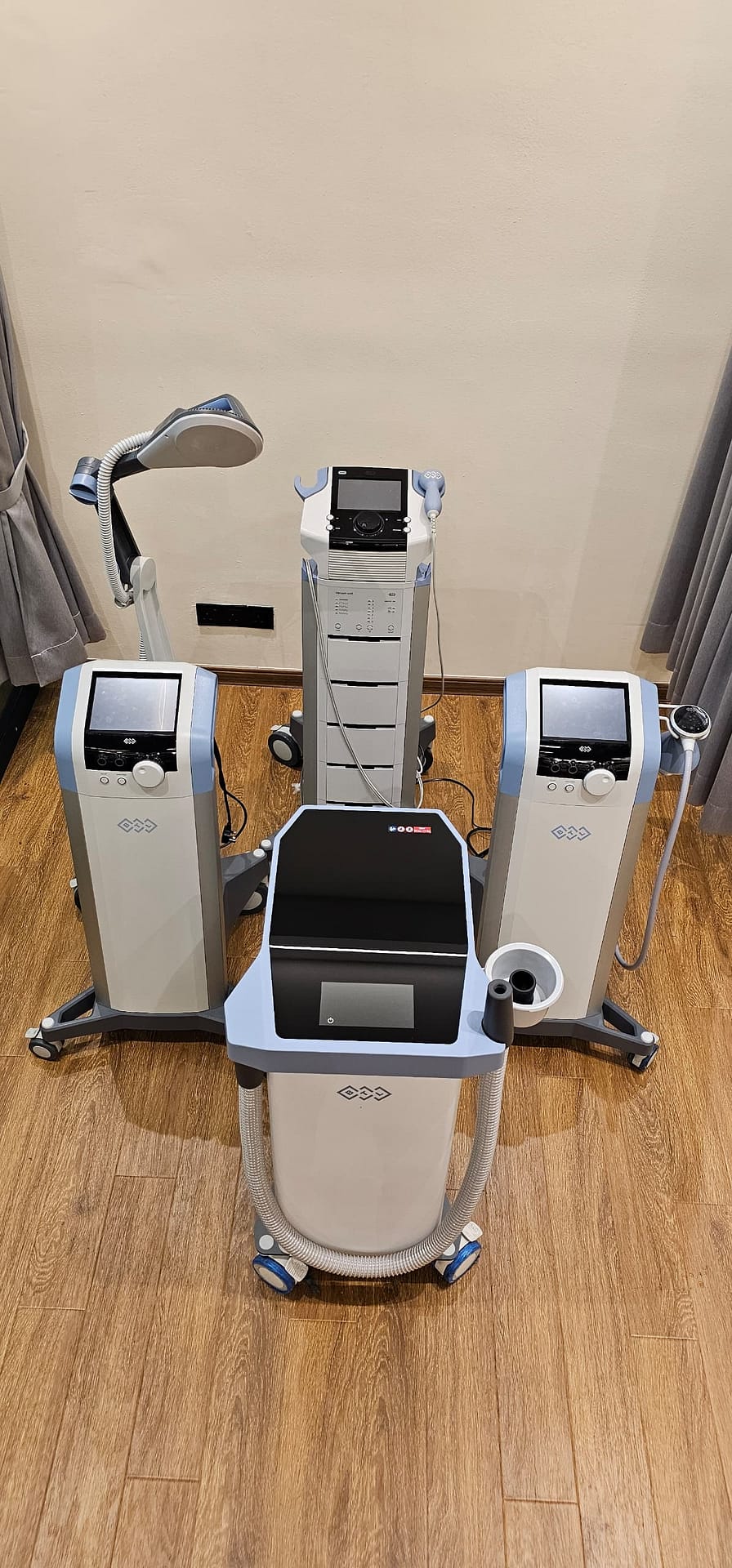
The technology used by physiotherapists includes advanced equipment such as ultrasound machines, electrical stimulation devices, and exercise rehabilitation tools, all designed to enhance recovery, improve mobility, and support personalized rehabilitation programs.
What is the impact of physiotherapy on pain management?
The impact of physiotherapy on pain management is significant, as it employs targeted exercises and techniques to reduce pain, enhance mobility, and promote healing, ultimately leading to improved physical function and quality of life for individuals.
How can physiotherapists support rehabilitation post-surgery?
Physiotherapists support rehabilitation post-surgery by developing personalized exercise programs that enhance mobility, restore strength, and alleviate pain, ensuring a safe and effective recovery process tailored to each patient's specific needs.
What challenges do physiotherapists face?
The challenges physiotherapists face include managing diverse patient needs, ensuring adherence to treatment plans, dealing with limited resources, and navigating complex healthcare systems while striving to deliver effective rehabilitation and support for recovery.
How do I gain practical experience in physiotherapy?
Gaining practical experience in physiotherapy involves seeking internships, volunteer opportunities, or shadowing licensed physiotherapists. Engaging in hands-on training settings will enhance your skills and understanding of patient care.
What are the latest trends in physiotherapy?
The latest trends in physiotherapy are focused on personalized treatment plans, telehealth services, and the integration of technology such as virtual reality and wearable devices to enhance rehabilitation and monitor patient progress effectively.
What community services do physiotherapists offer?
Physiotherapists offer various community services, including rehabilitation programs, wellness education, and injury prevention workshops, aimed at enhancing mobility and promoting overall health among individuals in the community.
How do I prepare for a physiotherapy career?
Preparing for a physiotherapy career involves completing relevant educational programs, gaining hands-on experience through internships, and obtaining necessary certifications. Additionally, developing strong communication and interpersonal skills is essential for patient interaction and effective rehabilitation.
What continuing education opportunities are available for physiotherapists?
Continuing education opportunities for physiotherapists include workshops, online courses, certifications, and conferences focused on advanced techniques, clinical skills, and emerging research to enhance their knowledge and practice in patient care.