Frequently Asked Questions
What is the role of a physiotherapist in patient care?
A physiotherapist plays a crucial role in restoring movement, managing pain, and improving function following injury, surgery, or chronic conditions. At FFC Wellness, our physiotherapists in Shah Alam are integral to patient recovery, offering personalized treatment and long-term care planning.
How does a physio background benefit personal training clients?
A physiotherapist brings clinical expertise in biomechanics, injury prevention, and rehabilitation. This enhances personal training by ensuring exercise programs are safe, effective, and aligned with the client’s physical limitations and recovery needs.
Whats the role of a physio in a personal training setting?
In a training environment, a physiotherapist assesses injuries, optimizes movement patterns, and collaborates with personal trainers to create programs that support recovery and performance. This team approach is standard at FFC Wellness in Shah Alam.
How does a physiotherapist create a treatment plan?
Treatment plans are based on a comprehensive evaluation of your injury, movement capacity, and goals. Our physiotherapists design progressive, evidence-based plans that combine manual therapy, exercise, and patient education.
Can a physiotherapist help with post-surgery recovery?
Yes, physiotherapists play a key role in restoring strength, mobility, and function after surgery. At FFC Wellness, we offer structured post-op rehab plans guided by certified physiotherapists in Shah Alam.
How does physiotherapy differ from massage therapy?
Massage therapy mainly addresses muscle relaxation and stress relief. Physiotherapy, on the other hand, treats medical conditions, injuries, and functional impairments through clinical assessment, manual therapy, and exercise rehabilitation.
What techniques do physiotherapists use for recovery?
Physiotherapists use manual therapy, corrective exercise, ultrasound, dry needling, electrotherapy, posture training, and functional movement retraining to support recovery and prevent re-injury.
How can physiotherapy support prenatal health?
Prenatal physiotherapy can relieve back and pelvic pain, improve posture, and strengthen muscles to support the body during pregnancy. At FFC Wellness, our physiotherapists help expectant mothers stay mobile and comfortable.
What assessments do physiotherapists perform for patients?
Physiotherapists assess range of motion, strength, posture, balance, joint function, gait, and pain levels. These assessments guide diagnosis and treatment planning for safe, effective rehabilitation.
How does a physiotherapist assist with rehabilitation?
Through guided exercises, manual therapy, and progressive load management, physiotherapists help patients recover from injuries or surgeries, reduce pain, and regain full function.
What educational background is needed for physiotherapists?
Physiotherapists in Malaysia must complete a recognized degree in physiotherapy and obtain professional registration. All physiotherapists at FFC Wellness meet these national standards and undergo continuous training.
How do physiotherapists tailor treatments for individual needs?
Physiotherapists personalize care by evaluating each patient’s condition, goals, activity level, and response to therapy—ensuring that every treatment plan is uniquely suited to the individual.
What are common conditions treated by physiotherapists?
Common conditions include back pain, neck pain, arthritis, post-surgery rehab, sports injuries, stroke recovery, joint dysfunction, scoliosis, and more.
How does physiotherapy contribute to post-natal recovery?
Post-natal physiotherapy focuses on core strengthening, pelvic floor rehabilitation, posture correction, and regaining physical function safely after childbirth.
What is the importance of physiotherapy after surgery?
Post-surgical physiotherapy accelerates recovery, reduces scar tissue complications, and restores movement and strength—ensuring long-term functional improvement.
How can a physiotherapist enhance athletic performance?
By addressing muscle imbalances, improving mobility, and reducing injury risk, physiotherapists help athletes train smarter and perform at their peak.
What rehabilitative strategies do physiotherapists implement?
These include strengthening exercises, balance training, mobility work, manual therapy, proprioceptive training, and pain management strategies.
How do physiotherapists collaborate with personal trainers?
At FFC Wellness, physiotherapists communicate closely with personal trainers to ensure injury-safe fitness programs that support both recovery and performance goals.
What is physiotherapys role in managing chronic pain?
Physiotherapy helps manage chronic pain by addressing biomechanical issues, improving mobility, strengthening muscles, and using non-invasive techniques like TENS or dry needling.
How does physiotherapy address sports injuries specifically?
Physiotherapists assess the injury, implement targeted rehab protocols, and focus on return-to-play strategies to ensure a safe and effective recovery for athletes.
What is the process for physiotherapy referrals?
While referrals aren’t always required, we welcome those from GPs, surgeons, or other professionals. You can also book directly with a physiotherapist in Shah Alam at FFC Wellness.
How often should patients see a physiotherapist?
Frequency depends on the condition, but typically ranges from 1–3 times per week initially. Your physiotherapist will adjust this based on your progress.
What technology do physiotherapists use in treatment?
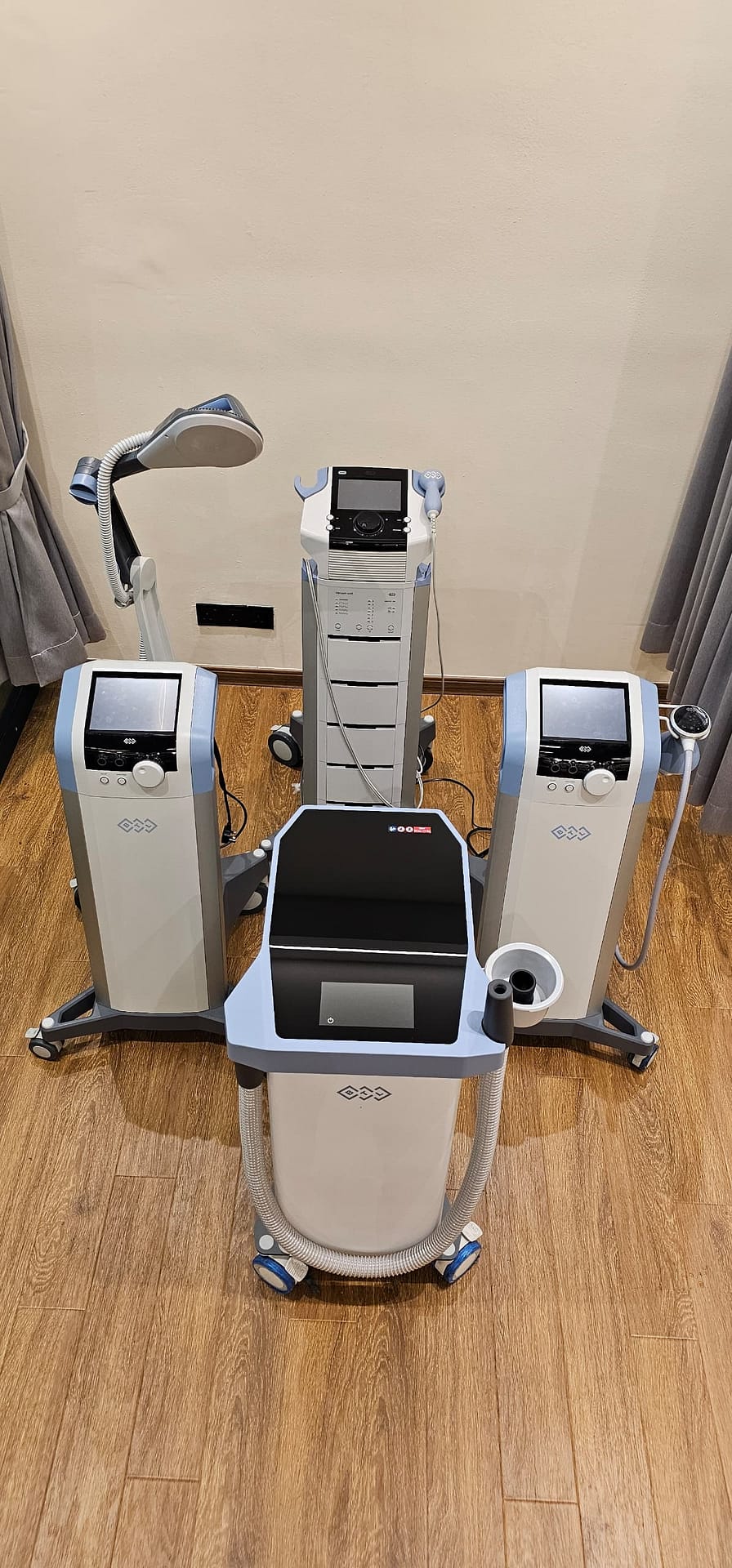
Physiotherapists may use ultrasound, TENS, electrotherapy, gait analysis tools, biofeedback devices, and mobility equipment to enhance recovery.
How do physiotherapists evaluate patient progress?
They track pain levels, range of motion, strength, functional milestones, and patient-reported outcomes to ensure the treatment plan is on track.
What patient education do physiotherapists provide?
Patients are educated on body mechanics, posture, home exercises, pain management techniques, and injury prevention strategies for lasting results.
How does physiotherapy aid in muscle recovery?
By promoting circulation, reducing inflammation, and guiding controlled exercises, physiotherapy enhances muscle repair and reduces recovery time.
What signs indicate the need for physiotherapy?
Persistent pain, limited mobility, poor posture, recurring injuries, or delayed recovery from surgery are key signs you may benefit from physiotherapy.
How does physiotherapy help improve mobility in patients?
Physiotherapists use exercises, manual therapy, and movement retraining to enhance joint flexibility, muscle control, and functional movement.
What is the relationship between physiotherapy and wellness?
Physiotherapy not only treats injury but also promotes long-term wellness through education, prevention, posture correction, and functional movement.
How can physiotherapy help prevent injury through education?
Patients learn proper movement techniques, stretching routines, and lifestyle adjustments that reduce strain, prevent overload, and minimize injury risk.