Frequently Asked Questions
What are the qualifications of a physiotherapist?
The qualifications of a physiotherapist include a degree in physiotherapy from an accredited institution, completion of clinical placements, and a license to practice in their respective region. Continuous professional development is also essential for maintaining their skills.
Can a physiotherapist help with post-surgery recovery?
Physiotherapists play a crucial role in post-surgery recovery by providing tailored rehabilitation programs that enhance healing, restore mobility, and minimize pain. Their expertise ensures a safe and effective recovery process, facilitating a return to daily activities.
Whats the role of a physio in a personal training setting?
The role of a physio in a personal training setting is to assess clients' physical conditions, design tailored exercise programs, and provide guidance on injury prevention and rehabilitation, ensuring safe and effective workouts.
Can physiotherapy help with chronic pain management?
Physiotherapy can be an effective approach for managing chronic pain. By utilizing targeted exercises, manual therapy, and personalized treatment plans, physiotherapists help alleviate discomfort and improve mobility, ultimately enhancing overall quality of life.
What is the role of a physiotherapist in patient care?
The role of a physiotherapist in patient care is to assess, diagnose, and treat physical injuries or conditions using tailored rehabilitation programs, with the goal of enhancing mobility, alleviating pain, and promoting overall health and well-being.
How does a physiotherapist create a treatment plan?
A physiotherapist creates a treatment plan by first assessing the patient's condition, gathering medical history, and identifying specific goals. Based on this evaluation, they customize interventions and set a structured approach to address the individual's needs and promote recovery.
How does physiotherapy differ from massage therapy?
Physiotherapy and massage therapy differ primarily in their objectives and techniques. Physiotherapy focuses on diagnosing and treating physical impairments through structured rehabilitation programs, while massage therapy primarily aims to relieve muscle tension and promote relaxation.
How does a physiotherapist diagnose and treat injuries?
Physiotherapists diagnose and treat injuries by conducting thorough assessments, including physical examinations and patient interviews, followed by creating personalized treatment plans that may involve exercises, manual therapy, and education to promote healing and recovery.
What techniques do physiotherapists use for rehabilitation?
The techniques used by physiotherapists for rehabilitation include manual therapy, exercise therapy, electrotherapy, and education on injury prevention, all aimed at restoring movement and function while promoting overall well-being.
How does physiotherapy aid in recovery post-surgery?
Physiotherapy aids in recovery post-surgery by promoting healing, reducing pain, and restoring mobility through tailored exercises and techniques. This support enhances overall function and accelerates the rehabilitation process, leading to improved outcomes for patients.
What assessments do physiotherapists perform for patients?
Physiotherapists perform a variety of assessments to evaluate patients' physical conditions. These include comprehensive evaluations of mobility, strength, posture, flexibility, and pain levels, enabling them to develop personalized treatment plans tailored to each patient's needs.
How can physiotherapy improve athletic performance?
Physiotherapy can enhance athletic performance by improving flexibility, strength, and coordination, while also addressing and preventing injuries. Tailored rehabilitation programs help athletes recover faster and reach their peak potential effectively.
What specialties exist within physiotherapy?
The specialties within physiotherapy include orthopedics, neurology, pediatrics, geriatrics, sports medicine, and cardiopulmonary care, each addressing specific conditions and promoting rehabilitation and wellness across different age groups and physical needs.
How often should one see a physiotherapist?
The frequency of visits to a physiotherapist typically depends on individual needs, injury severity, and treatment goals, but generally ranges from once a week to once a month for optimal results.
What conditions can physiotherapists treat effectively?
Physiotherapists effectively treat a wide range of conditions, including musculoskeletal injuries, post-surgical rehabilitation, neurological disorders, and chronic pain, helping patients regain mobility and improve their overall quality of life.
How does physiotherapy address sports injuries?
Physiotherapy effectively addresses sports injuries by assessing the injury, providing tailored rehabilitation programs, improving strength and flexibility, and implementing pain management techniques to enhance recovery and prevent future injuries.
What is involved in a physiotherapy treatment plan?
A physiotherapy treatment plan involves a thorough assessment, setting specific goals, and implementing tailored exercises and techniques, along with ongoing evaluation and adjustments to ensure effective rehabilitation and optimal recovery for the patient.
How can physiotherapy contribute to chronic pain relief?
Physiotherapy can significantly contribute to chronic pain relief by using tailored exercises, manual therapy, and education to alleviate discomfort, improve mobility, and promote overall healing. This holistic approach empowers individuals to manage pain effectively and enhance their quality of life.
What equipment do physiotherapists commonly use?
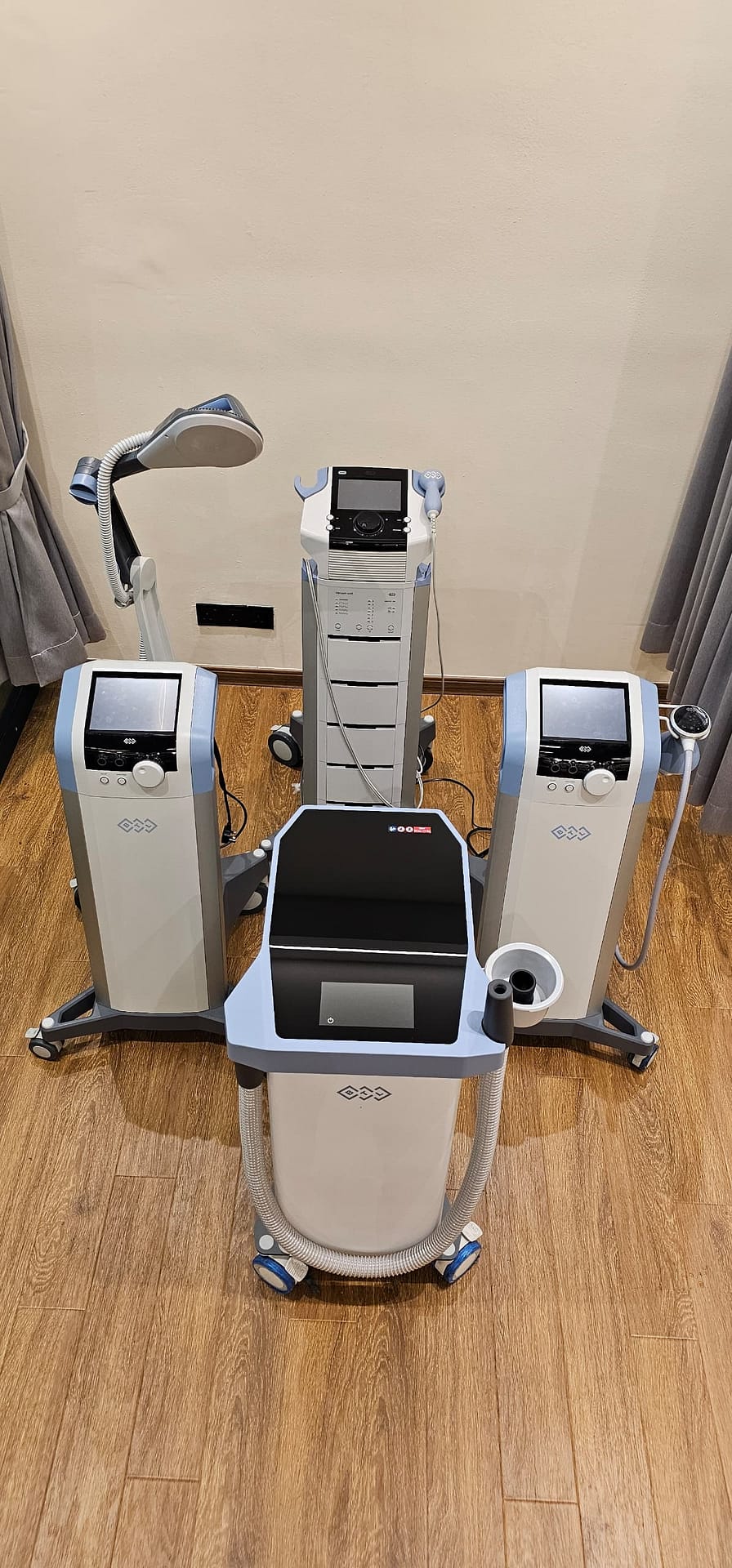
Physiotherapists commonly use a variety of equipment to aid in rehabilitation and recovery. This includes resistance bands, weights, exercise mats, ultrasound machines, and electrical stimulation devices to enhance treatment efficacy and support patient progress.
How do physiotherapists collaborate with personal trainers?
Physiotherapists collaborate with personal trainers by working together to create tailored exercise programs that address individual rehabilitation needs while ensuring safe progression and effective recovery for clients, enhancing their overall health and fitness journey.
What patient education do physiotherapists provide?
Physiotherapists provide patient education that includes understanding conditions, treatment options, exercise techniques, and injury prevention strategies to empower patients in managing their health and enhancing their recovery process effectively.
How do physiotherapists track patient progress?
Physiotherapists track patient progress through regular assessments, comparing initial evaluations to ongoing performance metrics, including range of motion, strength, and functional ability, ensuring effective adjustments to treatment plans for optimal recovery.
What is the impact of physiotherapy on mobility?
The impact of physiotherapy on mobility is significant; it enhances movement, increases strength, and improves coordination, allowing individuals to regain independence and perform daily activities more comfortably and efficiently.
How can physiotherapy prevent injury recurrence?
Physiotherapy can effectively prevent injury recurrence by addressing underlying issues, enhancing strength and flexibility, and teaching proper movement techniques. This proactive approach helps build resilience, ensuring a safer return to activities and reducing the likelihood of future injuries.
What is the importance of goal-setting in physiotherapy?
The importance of goal-setting in physiotherapy lies in its ability to provide a clear direction for treatment. It helps patients focus on specific, measurable outcomes, ultimately enhancing motivation and ensuring progress towards improved health and recovery.
How do physiotherapists assess muscle strength?
Physiotherapists assess muscle strength by conducting physical examinations, utilizing manual muscle testing techniques, and employing specialized equipment to measure the force exerted by specific muscle groups against resistance.
What role does manual therapy play in physiotherapy?
The role of manual therapy in physiotherapy is crucial as it involves hands-on techniques to alleviate pain, improve mobility, and enhance overall physical function, promoting effective rehabilitation and recovery for patients.
How do physical exams inform physiotherapy treatment?
Physical exams inform physiotherapy treatment by assessing a patient's movement, strength, and pain levels. This information helps physiotherapists develop personalized treatment plans tailored to individual needs and goals for optimal recovery and improved well-being.
What continuing education is required for physiotherapists?
Continuing education for physiotherapists is required to maintain licensure and stay updated with advancements in the field. This often includes participating in workshops, seminars, and specialized courses that enhance clinical skills and knowledge.
How do physiotherapists adjust treatments for individual needs?
Physiotherapists adjust treatments for individual needs by assessing each patient's unique condition, history, and goals, then tailoring therapies and exercises accordingly to promote effective recovery and optimal results.