Frequently Asked Questions
How much do physiotherapists charge?
The cost of physiotherapy services can vary based on location, specialization, and the duration of the treatment. Typically, charges can range from $50 to $150 per session, depending on these factors.
How much does a physiotherapist cost?
The cost of a physiotherapist varies based on factors such as location and services provided, typically ranging from $50 to $150 per session. At FFC Wellness, we offer competitive pricing for our sports rehabilitation services.
What can physiotherapists do?
Physiotherapists can assess, diagnose, and treat a wide range of physical injuries and conditions. They develop personalized rehabilitation programs to enhance recovery, improve mobility, and optimize athletic performance, ensuring effective support for individuals during their recovery journey.
How do you become a physiotherapist?
Becoming a physiotherapist involves earning a relevant degree in physiotherapy, completing supervised clinical practice, and obtaining licensure or certification as required in your region. This process ensures you are equipped to provide effective rehabilitation care.
What is the difference between a physiotherapist and an occupational therapist?
The difference between a physiotherapist and an occupational therapist lies in their focus areas: physiotherapists primarily aid in physical recovery and movement rehabilitation, while occupational therapists concentrate on helping individuals develop or regain daily living skills and tasks.
What services do physiotherapists offer?
Physiotherapists offer a range of services including assessment and diagnosis of injuries, personalized rehabilitation programs, manual therapy, exercise prescription, pain management, and guidance on injury prevention to support recovery and enhance performance.
How to choose the right physiotherapist?
Choosing the right physiotherapist involves considering their qualifications, experience with your specific injury, and approach to treatment. It’s essential to ensure they communicate effectively and align with your recovery goals.
What qualifications do physiotherapists need?
The qualifications needed for physiotherapists include a relevant degree in physiotherapy, registration with a professional regulatory body, and additional certifications in specialized areas of practice for effective patient care and rehabilitation.
How long is physiotherapy treatment typically?
The typical duration of physiotherapy treatment varies depending on the individual's condition and recovery goals. Generally, it lasts between a few weeks to several months, with sessions scheduled one or two times per week.
What injuries can physiotherapists treat?
Physiotherapists can treat a wide range of injuries, including sprains, strains, fractures, tendonitis, and post-surgical rehabilitation, helping individuals recover and return to their daily activities and sports.
How to prepare for a physiotherapy session?
Preparing for a physiotherapy session involves wearing comfortable clothes that allow for easy movement and bringing any relevant medical documents or referral letters. Additionally, it's helpful to arrive a little early to complete any necessary paperwork.
Do physiotherapists work with athletes?
Physiotherapists work with athletes to prevent, diagnose, and rehabilitate sports-related injuries, ensuring they recover effectively and enhance their performance. Their expertise is essential for optimizing athletic health and maximizing potential on the field or court.
What techniques do physiotherapists use in treatment?
The techniques used by physiotherapists in treatment include manual therapy, therapeutic exercises, modalities like ultrasound and electrical stimulation, and functional training to enhance recovery and improve mobility for individuals with injuries.
How effective is physiotherapy for recovery?
The effectiveness of physiotherapy for recovery is significant, as it helps individuals regain strength, mobility, and function after injuries. Tailored treatment plans enhance healing and facilitate a faster return to physical activities.
What should I expect in physiotherapy?
In physiotherapy, you can expect a personalized assessment of your injury, followed by tailored exercises and treatments aimed at enhancing mobility, strength, and overall recovery. Your therapist will guide you through each step of the process.
Can physiotherapy help with chronic pain?
Physiotherapy can effectively help manage chronic pain. Through targeted exercises, manual therapy, and personalized treatment plans, physiotherapists work to alleviate discomfort, improve mobility, and enhance overall quality of life for individuals suffering from chronic pain.
What are common physiotherapy techniques?
Common physiotherapy techniques include manual therapy, exercise therapy, electrotherapy, and stretching. These methods help alleviate pain, restore mobility, and enhance overall physical function, supporting individuals in their recovery and rehabilitation journey.
How often should I see a physiotherapist?
The frequency of physiotherapy visits depends on the specific injury, rehabilitation progress, and treatment plan. Generally, seeing a physiotherapist one to three times per week is common, especially in the initial stages of recovery.
What is the role of a physiotherapist?
The role of a physiotherapist is to assess, diagnose, and treat individuals with physical impairments or injuries, utilizing various techniques to enhance recovery, restore function, and promote overall well-being.
How to find a physiotherapist near me?
Finding a physiotherapist near you involves searching online for local clinics, using maps for directions, or asking for recommendations from friends and family. You can also check social media or healthcare directories for qualified professionals in your area.
Can physiotherapists prescribe medications?
Physiotherapists are not authorized to prescribe medications. Their role primarily focuses on assessment, treatment, and rehabilitation of physical conditions through exercises and manual therapy. For medication needs, patients should consult a medical doctor.
What tools do physiotherapists use?
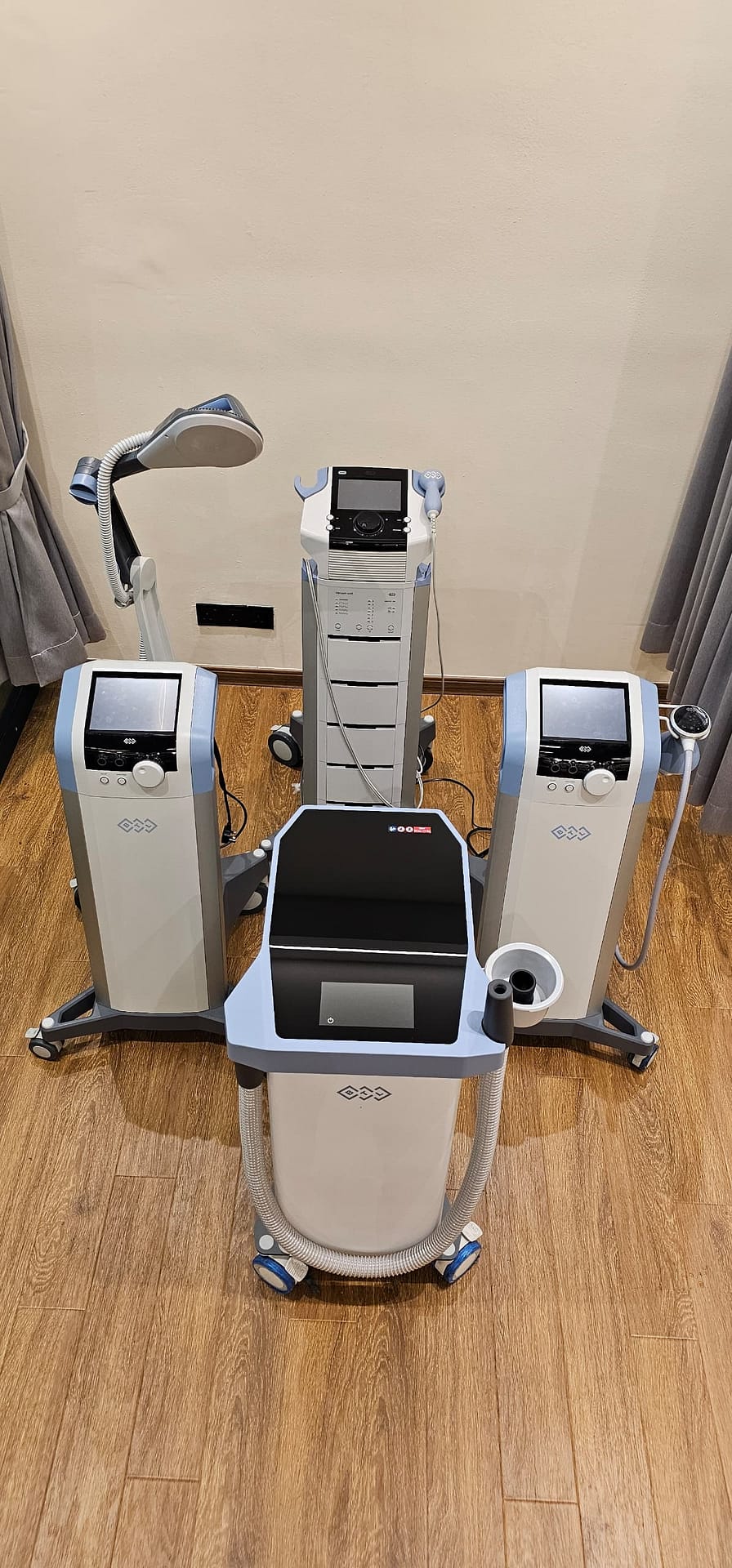
Physiotherapists use a variety of tools to aid in recovery and rehabilitation, including ultrasound machines, electrical stimulation devices, resistance bands, and manual therapy techniques. These tools help to alleviate pain, improve mobility, and enhance overall function.
How can physiotherapy improve mobility?
Physiotherapy can significantly improve mobility by employing targeted exercises and manual therapy techniques that restore strength, flexibility, and range of motion. This personalized approach helps individuals recover from injuries and enhances overall physical function.
What should I wear to physiotherapy?
What to wear to physiotherapy involves comfortable, loose-fitting clothing that allows for easy movement. Athletic wear, such as shorts or leggings, paired with a t-shirt or tank top, is ideal to facilitate assessments and exercises during your session.
How does physiotherapy aid in rehabilitation?
Physiotherapy aids in rehabilitation by addressing physical impairments through tailored exercises, manual therapy, and specialized techniques. This comprehensive approach promotes healing, enhances mobility, and improves functional performance, facilitating a quicker return to sports and daily activities.
What are the benefits of physiotherapy?
The benefits of physiotherapy include pain relief, improved mobility, enhanced strength, and quicker recovery from injuries. It also helps prevent future injuries, promotes overall physical wellness, and supports athletes in optimizing their performance.
Are physiotherapy sessions covered by insurance?
Physiotherapy sessions may be covered by insurance, but coverage depends on your specific policy and provider. It's best to check with your insurance company to confirm the extent of coverage for these services.
How can I assess a physiotherapist’s expertise?
Assessing a physiotherapist’s expertise involves reviewing their qualifications, certifications, and experience, as well as seeking testimonials from previous patients and checking their specialization in sports rehabilitation.
What types of physiotherapy are available?
The types of physiotherapy available at FFC Wellness include sports rehabilitation, manual therapy, exercise therapy, and post-surgery rehabilitation, all tailored to support recovery and enhance performance for athletes and active individuals.
How to follow up after physiotherapy?
Following up after physiotherapy involves scheduling regular check-ins with your therapist to monitor progress, discussing any ongoing pain or concerns, and adhering to your recommended home exercise program for continued recovery and improvement.