Frequently Asked Questions
How does a physiotherapist create a treatment plan?
A physiotherapist creates a treatment plan by assessing the patient's condition, setting specific goals, selecting appropriate therapeutic techniques, and regularly monitoring progress to ensure effective recovery tailored to individual needs.
Can physiotherapy help with chronic pain management?
Physiotherapy can effectively aid in chronic pain management. Through tailored exercises, manual therapy, and education, physiotherapists help alleviate pain, enhance mobility, and improve overall function, allowing individuals to better cope with their condition.
How does a physiotherapist diagnose and treat injuries?
A physiotherapist diagnoses and treats injuries by assessing the patient's medical history, conducting physical evaluations, and using specialized techniques like manual therapy, exercises, and modalities to promote healing and restore function.
Can a physiotherapist help with post-surgery recovery?
A physiotherapist can significantly aid in post-surgery recovery by designing tailored rehabilitation programs that enhance mobility, reduce pain, and promote healing. Their expertise ensures a safe and effective recovery process, facilitating a quicker return to daily activities.
What is the role of a physiotherapist in patient care?
The role of a physiotherapist in patient care is to assess, diagnose, and treat physical conditions, helping patients recover function, manage pain, and improve mobility through tailored therapeutic techniques and rehabilitation programs.
What techniques do physiotherapists use for recovery?
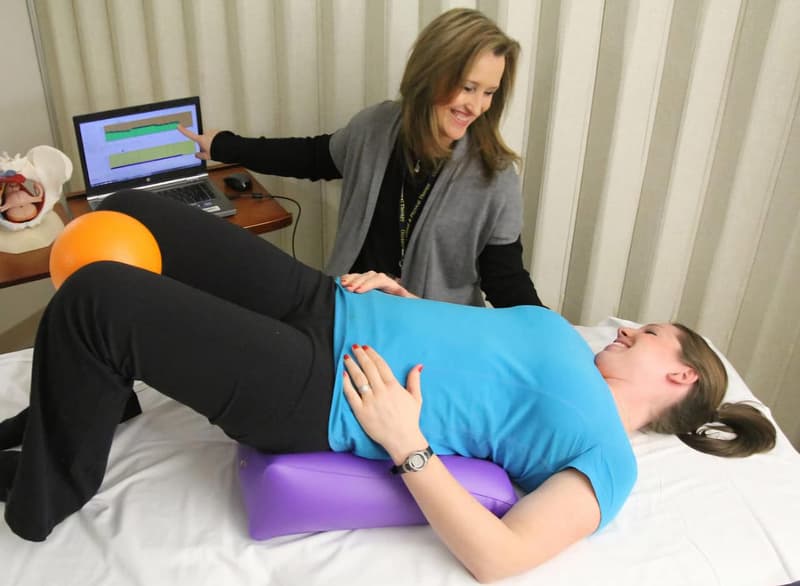
The techniques physiotherapists use for recovery include manual therapy, exercise prescription, and biofeedback. These methods aim to enhance muscle strength, improve mobility, and promote healing in patients recovering from injuries or pelvic floor dysfunction.
How do physiotherapists assess patient progress?
Physiotherapists assess patient progress through regular evaluations, which include monitoring symptoms, conducting physical assessments, and using standardized outcome measures to track improvements in strength, mobility, and overall function.
What conditions are treated by physiotherapists?
Physiotherapists treat a variety of conditions, including musculoskeletal issues, neurological disorders, respiratory problems, and pelvic floor dysfunctions, such as urinary incontinence and post-partum recovery, to help restore function and improve overall health.
How can physiotherapy enhance mobility after surgery?
Physiotherapy enhances mobility after surgery by providing tailored exercises and techniques that promote healing, reduce pain, and improve strength. This individualized approach helps patients regain their functional movement and overall quality of life more efficiently.
What is the typical duration of physiotherapy sessions?
The typical duration of physiotherapy sessions is usually between 30 to 60 minutes, depending on the specific treatment plan and individual needs of the patient.
How does injury rehabilitation work in physiotherapy?
Injury rehabilitation in physiotherapy involves assessing the injury, developing a tailored treatment plan, and implementing exercises and techniques to restore movement, strength, and function, ultimately aiding recovery and preventing future injuries.
What exercises are recommended by physiotherapists?
Physiotherapists recommend exercises such as Kegels, pelvic tilts, and bridges to strengthen pelvic floor muscles, enhance stability, and improve overall pelvic health. These exercises are tailored to individual needs and conditions for maximum effectiveness.
How do physiotherapists collaborate with other healthcare providers?
Physiotherapists collaborate with other healthcare providers through communication and referral networks, ensuring a coordinated approach to patient care that enhances treatment outcomes by sharing insights, assessments, and strategies tailored to individual needs.
What should I expect during my first appointment?
During your first appointment, you can expect a comprehensive assessment where our therapist will discuss your medical history, understand your concerns, and outline a personalized treatment plan tailored to your needs.
How can physiotherapy improve athletic performance?
Physiotherapy can enhance athletic performance by improving strength, flexibility, and overall movement efficiency, while also addressing injuries and preventing future complications. This tailored approach supports optimal physical function and helps athletes achieve their peak potential.
What role does education play in physiotherapy?
The role of education in physiotherapy is essential, as it empowers patients by increasing their understanding of their conditions, treatment options, and self-management strategies, ultimately leading to improved outcomes and enhanced overall wellness.
How does a physiotherapist address chronic pain?
Physiotherapists address chronic pain by employing a combination of manual therapy, tailored exercises, and education to enhance mobility, strengthen muscles, and improve overall function, ultimately helping patients manage their pain effectively.
Can physiotherapy improve balance in elderly patients?
Physiotherapy can significantly improve balance in elderly patients. Through targeted exercises and techniques, physiotherapists help enhance strength, coordination, and stability, reducing the risk of falls and fostering greater independence in daily activities.
What assessments do physiotherapists perform before treatment?
Physiotherapists perform various assessments before treatment, including detailed medical history reviews, physical examinations, and specific pelvic floor evaluations to identify conditions and tailor appropriate therapeutic interventions.
In what ways can physiotherapy help with posture?
Physiotherapy helps improve posture by assessing body alignment, strengthening core muscles, and providing customized exercises. These interventions enhance muscle balance and flexibility, ultimately supporting proper posture and reducing discomfort.
How do physiotherapists develop personalized treatment plans?
Physiotherapists develop personalized treatment plans by assessing each patient's individual needs, medical history, and specific conditions. They then create tailored exercise and therapy regimens to effectively address and improve pelvic floor health and function.
What is the significance of follow-up appointments?
The significance of follow-up appointments lies in monitoring progress and ensuring effective treatment outcomes. They help adjust therapy plans as needed, address any concerns, and reinforce techniques learned, ultimately supporting your pelvic health recovery.
How do physiotherapists treat sports-related injuries?
Physiotherapists treat sports-related injuries through a combination of physical assessments, tailored rehabilitation programs, manual therapy, and therapeutic exercises, aimed at restoring function, improving strength, and facilitating recovery for optimal athletic performance.
What certifications are required for physiotherapists?
The certifications required for physiotherapists typically include a degree in physiotherapy from an accredited program and a license to practice, which may involve passing a national or state exam. Additional certifications in specialized areas may also enhance their qualifications.
How can physiotherapy assist in rehabilitation after accidents?
Physiotherapy plays a crucial role in rehabilitation after accidents by promoting recovery through tailored exercises, pain management techniques, and enhancing mobility, ultimately aiding in restoring strength and function to injured areas.
What are the benefits of pelvic floor physiotherapy?
The benefits of pelvic floor physiotherapy include improved bladder control, enhanced bowel function, and increased sexual wellness. It effectively addresses issues like urinary incontinence and aids in post-partum recovery, promoting overall pelvic health.
How do physiotherapists utilize modalities in treatment?
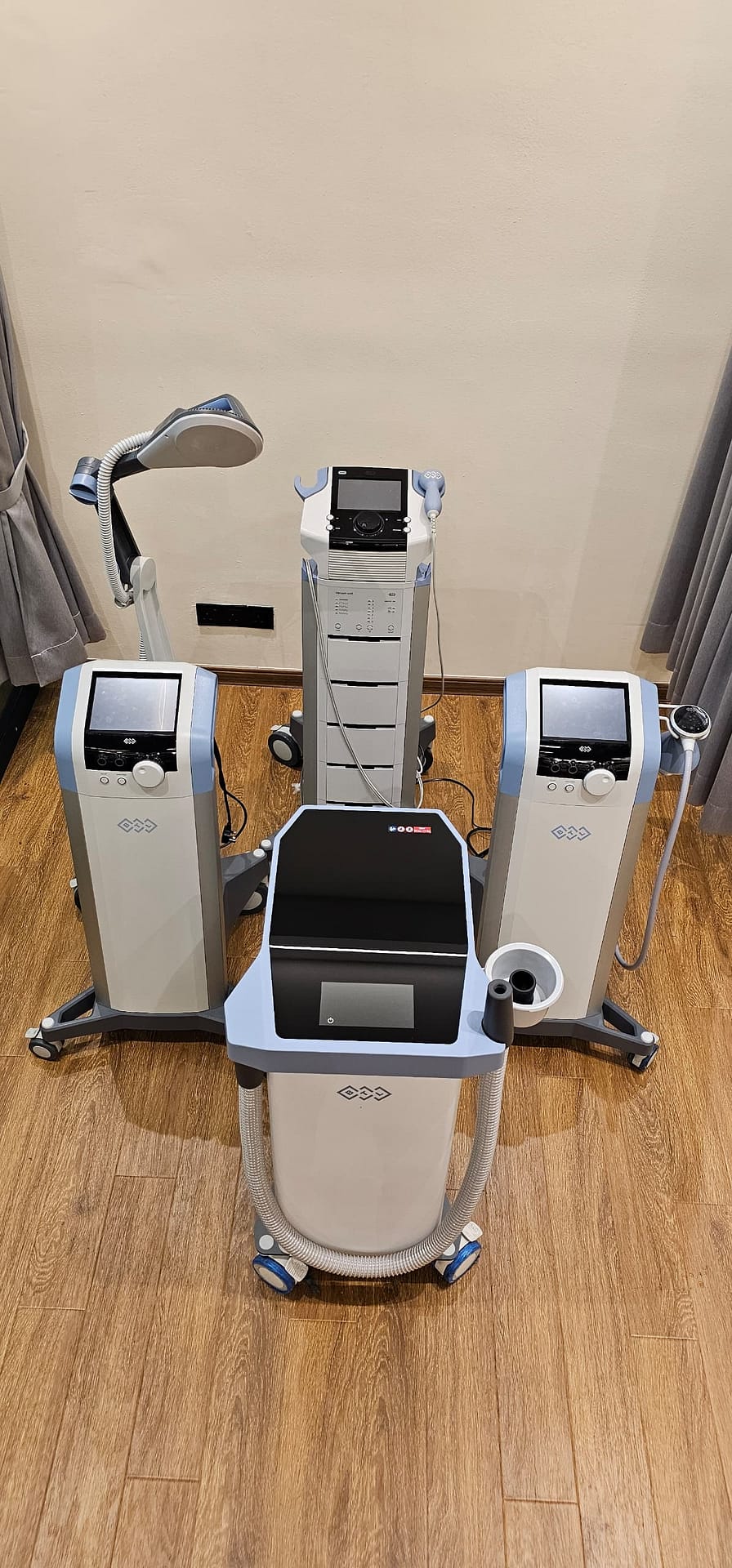
Physiotherapists utilize modalities in treatment to enhance healing and relieve pain through techniques like ultrasound, electrical stimulation, and heat or cold therapy. These methods support recovery, improve mobility, and promote overall wellness in patients.
What is the importance of patient feedback in physiotherapy?
The importance of patient feedback in physiotherapy is significant as it helps therapists tailor treatment plans, assess progress, and enhance patient satisfaction, ultimately leading to more effective recovery and improved overall health outcomes.
How do physiotherapists ensure safe exercise practices?
Physiotherapists ensure safe exercise practices by assessing individual needs, developing tailored exercise plans, and providing guidance on proper techniques to prevent injuries. They monitor progress and adjust routines as necessary to maintain safety and effectiveness.
What are common misconceptions about physiotherapy?
Common misconceptions about physiotherapy include the belief that it’s only for athletes or that it solely involves pain relief. In reality, physiotherapy addresses a wide range of conditions and emphasizes rehabilitation, prevention, and overall wellness.