Frequently Asked Questions
Can a physiotherapist help with post-surgery recovery?
Yes, a physiotherapist in Shah Alam can play a crucial role in post-surgery recovery. They assist in restoring movement, reducing pain, and improving strength through tailored rehabilitation programs. This approach helps accelerate healing and enhances the overall recovery process.
Do physiotherapists work with athletes to prevent injuries?
Absolutely. Physiotherapists collaborate with athletes to design injury prevention strategies, including strength training, flexibility exercises, and biomechanical assessments. This proactive approach reduces the risk of injuries and supports optimal performance.
How does a physiotherapist diagnose and treat injuries?
A physiotherapist in Shah Alam conducts thorough assessments, including physical examinations and diagnostic tests, to identify the nature and extent of injuries. Based on the diagnosis, they develop personalized treatment plans encompassing manual therapy, exercises, and modalities to promote healing and restore function.
What is the role of a physiotherapist in patient care?
Physiotherapists are integral to patient care, focusing on restoring movement, alleviating pain, and enhancing quality of life. They collaborate with other healthcare professionals to provide comprehensive care tailored to individual needs.
Can physiotherapy help with chronic pain management?
Yes, physiotherapy is effective in managing chronic pain. Through techniques such as manual therapy, exercise prescription, and education, physiotherapists help individuals manage pain, improve function, and enhance overall well-being.
How does a physiotherapist create a treatment plan?
A physiotherapist develops a treatment plan by conducting a comprehensive assessment, understanding the patient's goals, and considering factors like medical history and lifestyle. The plan is tailored to address specific needs and may include exercises, manual therapy, and other interventions.
What techniques do physiotherapists use for recovery?
Physiotherapists employ various techniques, including manual therapy, therapeutic exercises, modalities like heat and cold therapy, and education on posture and ergonomics, to facilitate recovery and restore function.
How do physiotherapists assess injury severity?
Physiotherapists assess injury severity through physical examinations, patient history, and diagnostic tests. This comprehensive evaluation helps determine the extent of the injury and guides the development of an appropriate treatment plan.
What is the benefit of physiotherapy after surgery?
Post-surgery physiotherapy aids in reducing pain, improving mobility, and accelerating recovery. It helps restore function, prevent complications, and enhances the overall outcome of the surgical procedure.
How can physiotherapy assist in injury prevention?
Physiotherapists in Shah Alam design personalized programs focusing on strengthening, flexibility, and proper movement patterns to prevent injuries. Education on posture and ergonomics also plays a vital role in injury prevention.
What rehabilitation exercises do physiotherapists recommend?
Rehabilitation exercises recommended by physiotherapists vary based on the individual's condition but may include strengthening exercises, stretching routines, balance training, and functional movements to restore function and prevent future injuries.
How often should patients see a physiotherapist?
The frequency of physiotherapy sessions depends on the individual's condition and treatment goals. Initially, sessions may be more frequent, gradually reducing as progress is made. A physiotherapist will tailor the schedule to meet specific needs.
What is the focus of physiotherapy in geriatrics?
In geriatrics, physiotherapy focuses on improving mobility, strength, balance, and overall function to enhance quality of life and independence in older adults. It also addresses age-related conditions like arthritis and osteoporosis.
Can physiotherapy improve mobility in seniors?
Yes, physiotherapy can significantly improve mobility in seniors. Through targeted exercises and interventions, physiotherapists help enhance strength, balance, and coordination, leading to improved mobility and reduced risk of falls.
How do physiotherapists work with other healthcare providers?
Physiotherapists collaborate with other healthcare providers, such as doctors, nurses, and occupational therapists, to ensure comprehensive patient care. This multidisciplinary approach enhances treatment outcomes and addresses all aspects of a patient's health.
What conditions can physiotherapy treat effectively?
Physiotherapy effectively treats a wide range of conditions, including musculoskeletal injuries, neurological disorders, respiratory conditions, cardiovascular issues, and chronic pain syndromes, among others.
How long does a physiotherapy session typically last?
A typical physiotherapy session lasts between 30 to 60 minutes, depending on the individual's condition and treatment plan. The duration may vary based on specific needs and goals.
What is the role of a physiotherapist in sports?
In sports, physiotherapists play a crucial role in preventing injuries, enhancing performance, and facilitating recovery. They design training programs, conduct assessments, and provide rehabilitation to support athletes in achieving their goals.
Can physiotherapy help with balance and coordination?
Yes, physiotherapy is effective in improving balance and coordination. Through targeted exercises and interventions, physiotherapists help individuals enhance these skills, reducing the risk of falls and improving overall function.
What ongoing education do physiotherapists require?
Physiotherapists are required to engage in continuous professional development to stay updated with the latest research, techniques, and best practices in the field. This ensures they provide the highest standard of care to their patients.
How does physiotherapy aid in chronic pain relief?
Physiotherapy aids in chronic pain relief by addressing the underlying causes of pain, improving movement patterns, and enhancing strength and flexibility. Techniques such as manual therapy, exercise, and education empower individuals to manage pain effectively.
What outcomes can patients expect from physiotherapy?
Patients can expect improved mobility, reduced pain, enhanced strength, and a better quality of life through physiotherapy. The specific outcomes depend on the individual's condition and treatment plan.
How do physiotherapists modify treatments for older adults?
Physiotherapists modify treatments for older adults by considering factors like age-related changes, medical history, and individual goals. They design personalized programs focusing on improving strength, balance, and mobility to enhance independence and quality of life.
What assessments do physiotherapists conduct during evaluations?
During evaluations, physiotherapists conduct assessments including physical examinations, functional tests, and patient history reviews to understand the individual's condition and develop an appropriate treatment plan.
How do physiotherapists help with arthritis management?
Physiotherapists assist with arthritis management by designing exercise programs to improve joint mobility, reduce pain, and enhance strength. They also provide education on joint protection techniques and lifestyle modifications to manage symptoms effectively
What are common misconceptions about physiotherapy?
Common misconceptions about physiotherapy include the belief that it's only for post-surgery recovery or that it's painful. In reality, physiotherapy is beneficial for various conditions and focuses on improving function and quality of life without causing pain.
Can physiotherapy be beneficial for stroke patients?
Yes, physiotherapy is highly beneficial for stroke patients. It aids in regaining movement, improving strength, and enhancing coordination through tailored rehabilitation programs, facilitating recovery and independence.
What safety measures do physiotherapists implement?
Physiotherapists implement safety measures such as conducting thorough assessments, using appropriate equipment, and providing education on safe movement techniques to prevent injuries and ensure effective treatment.
How is physiotherapy personalized for each patient?
Physiotherapy is personalized by conducting individual assessments, understanding personal goals, and considering factors like medical history and lifestyle. Treatment plans are then tailored to address specific needs and objectives.
What technology do physiotherapists use for treatment?
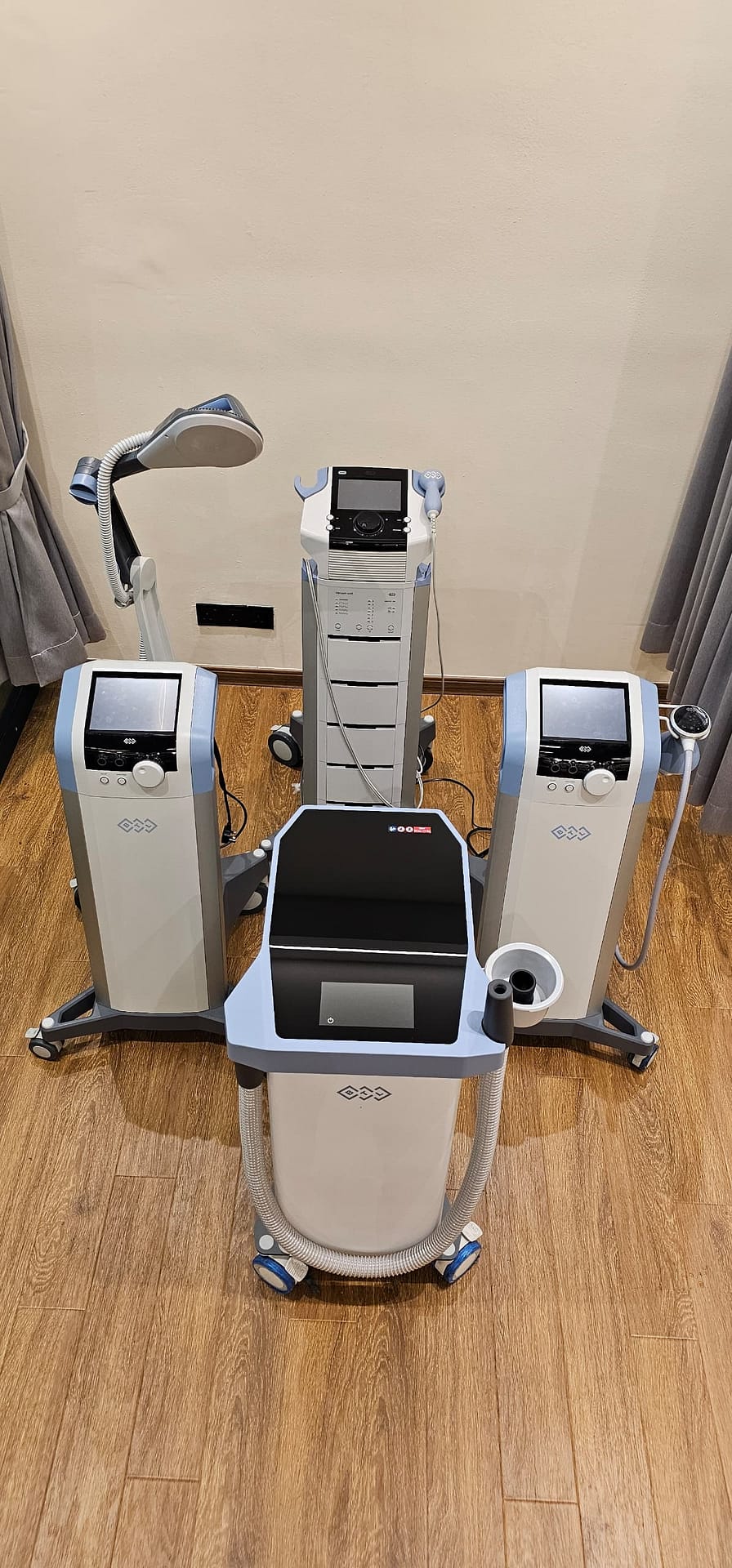
Physiotherapists utilize various technologies, including ultrasound therapy, electrical stimulation, and computerized gait analysis, to enhance treatment outcomes and provide effective care.