Frequently Asked Questions
How do I become a physiotherapist?
To become a physiotherapist, you typically need to obtain a relevant degree in physiotherapy, complete necessary clinical training, and obtain licensure or certification as required by your region.
What can physiotherapist do?
Physiotherapists can assess, diagnose, and treat various physical issues to enhance movement, alleviate pain, and prevent injuries. They design personalized rehabilitation programs tailored to individual needs for improved strength, flexibility, and overall functionality.
How much do physiotherapist charge?
The cost of physiotherapy services can vary widely based on location, experience, and the type of treatment provided. Typically, fees range from $50 to $150 per session.
How much do physiotherapist earn?
The earnings of physiotherapists vary based on experience, location, and workplace setting, typically ranging from $60,000 to $80,000 annually, with opportunities for higher earnings through specialization and private practice.
How to be a physiotherapist?
To become a physiotherapist, you need to complete a relevant degree in physiotherapy, gain clinical experience through internships, and obtain licensure or certification as required in your country or state.
What qualifications do I need for physiotherapy?
The qualifications needed for physiotherapy typically include a bachelor's degree in physiotherapy or a related field, along with licensing or registration to practice in your region. Additional certifications may enhance your expertise.
How long does physiotherapy training take?
The duration of physiotherapy training varies based on individual needs and conditions, typically ranging from a few weeks to several months, depending on the complexity of the injury and the treatment goals.
What skills are essential for physiotherapists?
The essential skills for physiotherapists include strong communication, critical thinking, problem-solving, empathy, and manual dexterity. These skills enable them to assess, treat, and support patients effectively in their rehabilitation journey.
What are the career prospects for physiotherapists?
The career prospects for physiotherapists are promising, with growing demand in various healthcare settings, including hospitals, clinics, and sports facilities, as they play a crucial role in rehabilitation and improving patients' physical functionality.
Where can I study physiotherapy?
The options for studying physiotherapy are diverse, including universities, colleges, and specialized institutions that offer accredited programs. Research local educational facilities or online programs to find the right fit for your career goals.
What are the typical duties of a physiotherapist?
The typical duties of a physiotherapist include assessing patients' physical conditions, developing personalized treatment plans, guiding rehabilitation through exercises, and educating patients on injury prevention and management to enhance overall mobility and function.
How does physiotherapy help with injury recovery?
Physiotherapy plays a crucial role in injury recovery by promoting healing, restoring mobility, and strengthening affected areas through tailored exercises and techniques. This personalized approach effectively reduces pain and enhances overall functional movement.
Which specializations are available in physiotherapy?
The specializations available in physiotherapy include orthopedic, neurological, cardiopulmonary, pediatric, geriatric, sports, and women’s health physiotherapy. Each specialization focuses on specific areas of physical health and recovery needs.
What are common treatments used by physiotherapists?
Common treatments used by physiotherapists include manual therapy, exercise prescriptions, modalities like ultrasound and electrotherapy, education on posture and body mechanics, and techniques for pain management to enhance mobility and functionality.
How to find a physiotherapist in my area?
Finding a physiotherapist in your area involves searching online directories, asking for recommendations from your healthcare provider or friends, and exploring local fitness or wellness centers that may offer referral services.
What are the ethical considerations in physiotherapy?
The ethical considerations in physiotherapy include ensuring patient autonomy, maintaining confidentiality, providing informed consent, delivering competent care, and upholding professional integrity while fostering a safe and respectful therapeutic environment.
What continuing education is available for physiotherapists?
Continuing education for physiotherapists includes workshops, certification programs, online courses, and specialized training in areas such as manual therapy, sports rehabilitation, and pain management to enhance skills and stay updated with industry advancements.
How can physiotherapy improve athletic performance?
Physiotherapy can enhance athletic performance by identifying and addressing physical limitations, improving strength, flexibility, and balance, and providing personalized rehabilitation programs. This proactive approach reduces injury risk and optimizes movement efficiency for better athletic outcomes.
What is the role of physiotherapy in rehabilitation?
The role of physiotherapy in rehabilitation involves restoring movement and functionality after injury or surgery. It employs tailored exercises and techniques to reduce pain, improve mobility, and enhance physical performance, facilitating a safe return to daily activities.
How do physiotherapists assess patient conditions?
Physiotherapists assess patient conditions through comprehensive evaluations that include medical history reviews, physical examinations, and functional assessments to identify pain sources and movement limitations. This helps tailor effective treatment plans for each individual.
What technologies do physiotherapists use in practice?
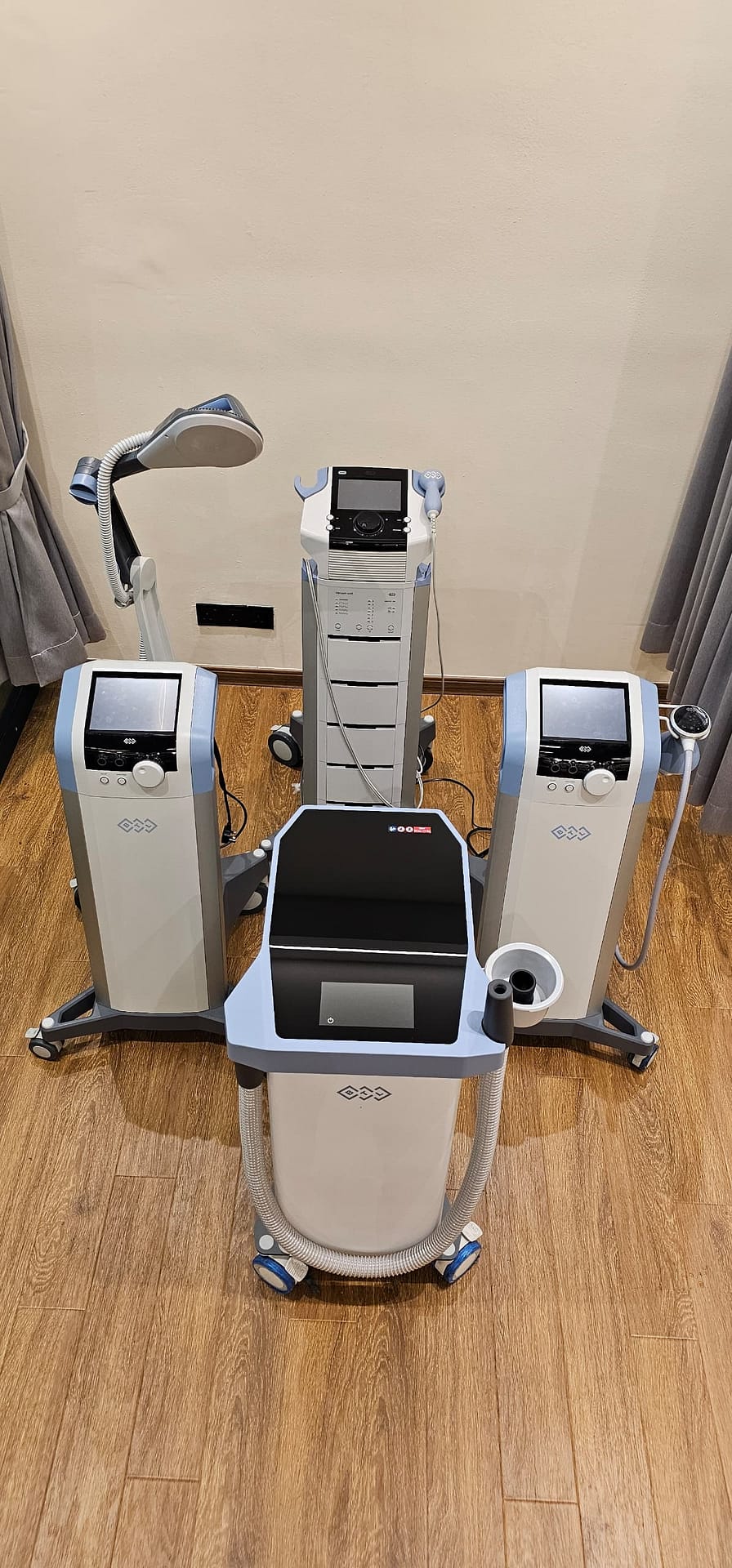
Physiotherapists utilize various technologies in practice, including electrotherapy devices, ultrasound machines, and therapeutic exercise equipment, to enhance treatment effectiveness and aid in patient recovery.
How important is patient communication in physiotherapy?
Patient communication is crucial in physiotherapy as it fosters trust, ensures understanding of the patient's condition, and engages them in their treatment plan, ultimately leading to better outcomes and satisfaction in their recovery journey.
What insurance covers physiotherapy services?
Insurance coverage for physiotherapy services varies by provider and plan. Typically, private health insurance, Medicare, and some Medicaid plans may cover these services, but it's essential to check your specific policy for details on copayments and limitations.
How often should I see a physiotherapist?
The frequency of physiotherapy visits depends on individual needs and recovery goals. Generally, it is recommended to see a physiotherapist once or twice a week for targeted treatments and progress monitoring.
Can physiotherapists prescribe medication?
Physiotherapists are not authorized to prescribe medication. They focus on rehabilitation, injury prevention, and enhancing physical functionality through exercise and manual therapy rather than pharmacological treatments.
What types of patients benefit from physiotherapy?
The types of patients who benefit from physiotherapy include those recovering from injuries, individuals with chronic pain, athletes seeking performance enhancement, and seniors aiming to maintain mobility and prevent falls.
What are the challenges faced by physiotherapists?
The challenges faced by physiotherapists include managing patient compliance, addressing diverse patient needs, keeping up with evolving treatment techniques, and navigating administrative tasks while ensuring effective rehabilitation outcomes.
How to prepare for a physiotherapy appointment?
Preparing for a physiotherapy appointment involves gathering any relevant medical history, bringing a list of medications, and wearing comfortable clothing that allows for easy movement. This ensures an effective session tailored to your needs.
What is the difference between physiotherapy and chiropractic?
The difference between physiotherapy and chiropractic lies in their approaches; physiotherapy focuses on rehabilitation and improving movement through exercise and modalities, while chiropractic emphasizes spinal alignment and adjustments to alleviate pain and enhance function.
What are recent advancements in physiotherapy techniques?
Recent advancements in physiotherapy techniques include the integration of virtual reality for enhanced rehabilitation, robotic-assisted therapy, and personalized treatment plans using data analytics, all aimed at improving patient outcomes and engagement during recovery.