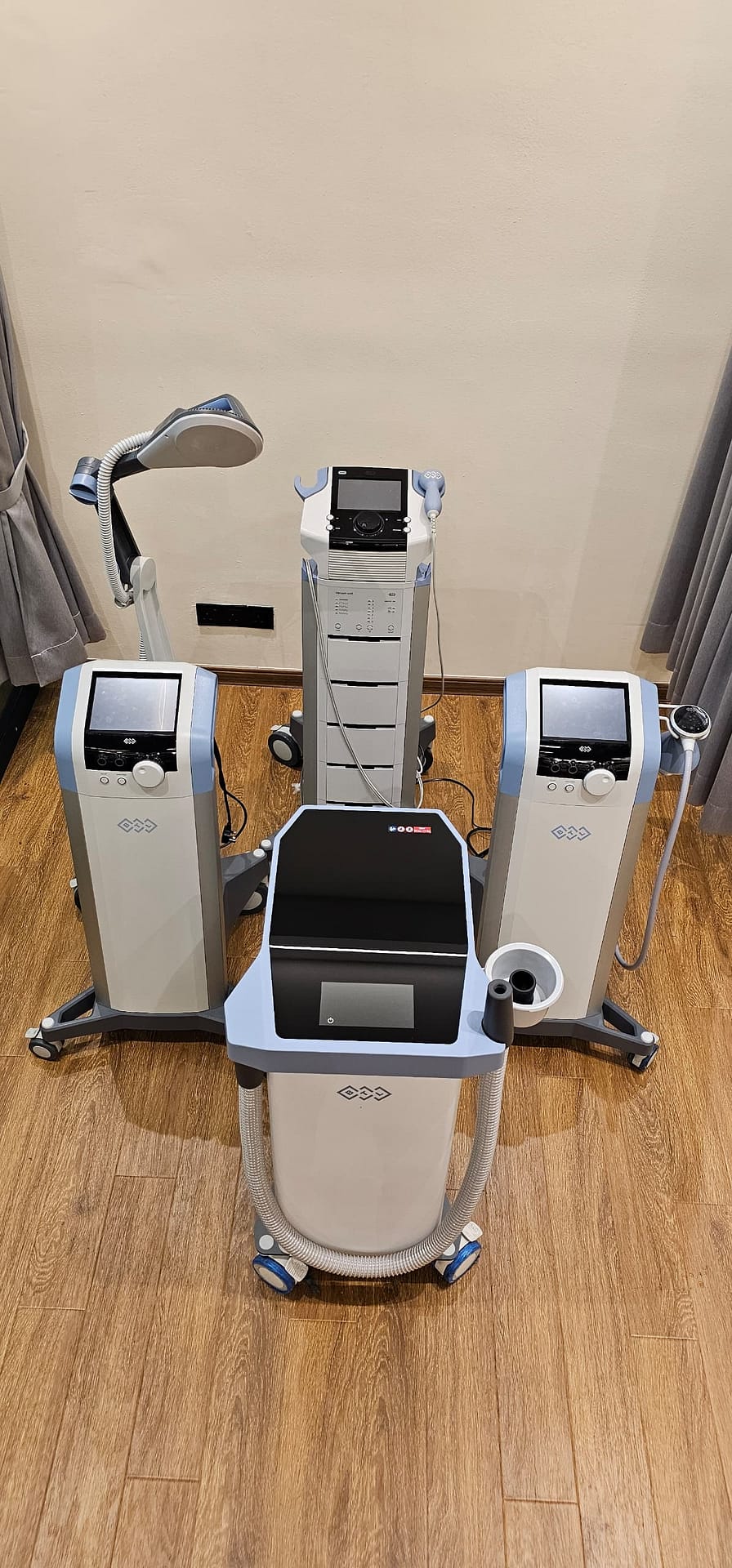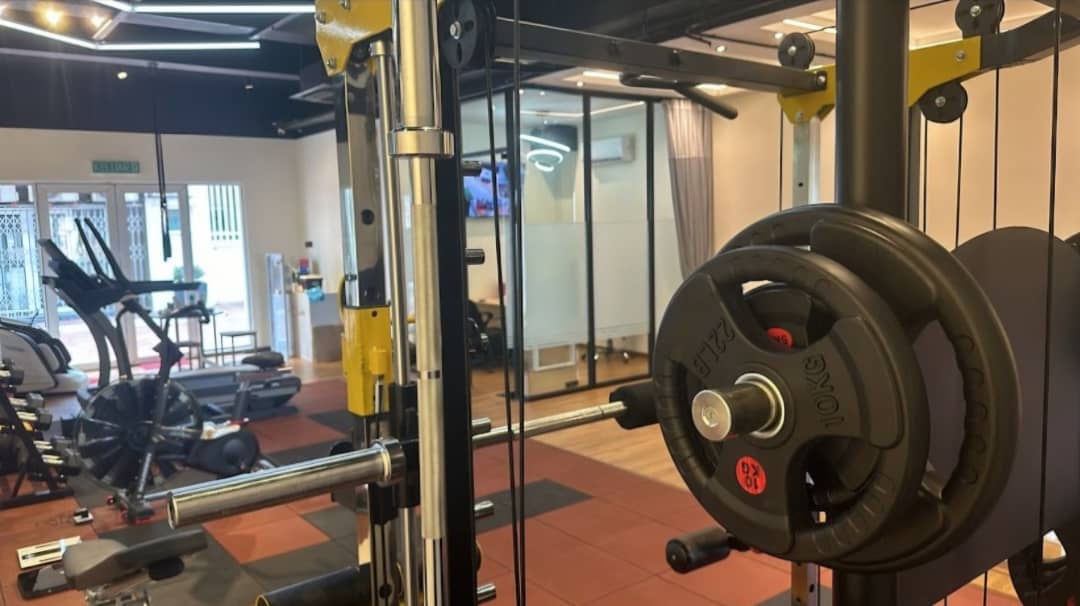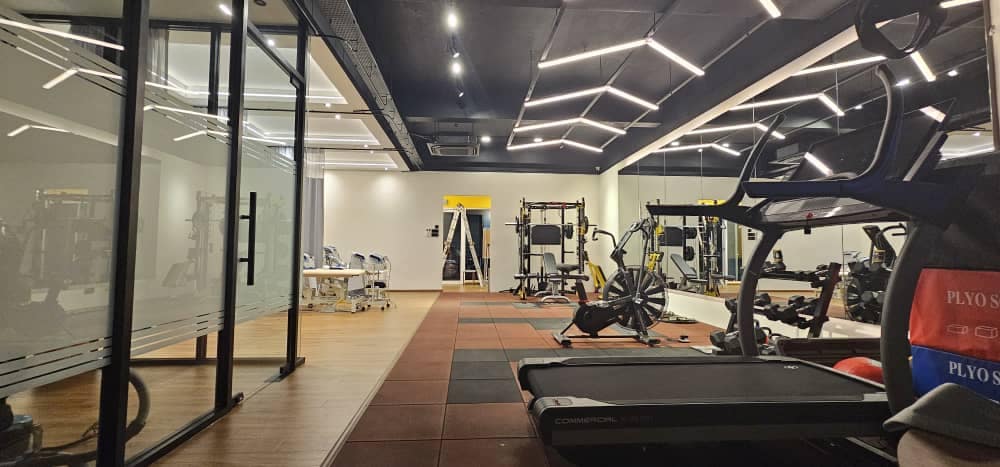
Author:Dr. Aisha Rahman, Senior Physiotherapist & Holistic Wellness Specialist at FFC Wellness Medically Reviewed By:Dr. Kenji Tanaka, Clinical Director, FFC Wellness Last Updated:October 26, 2023 Individuals living with chronic pain, injury recovery challenges, or stress often find their emotional balance disrupted and their mood undermined. FFC Wellness, staffed by certified physiotherapists and holistic health practitioners, addresses mental health and emotional well-being concerns by combining evidence-based physiotherapy, targeted pain management, and holistic rehabilitation strategies that boost mood, reduce anxiety, and build resilience. This article explores the mind-body connection, details how rehabilitation services improve psychological wellness, examines pain management benefits, highlights local programs in Shah Alam, Subang, and Ara Damansara, shares patient success stories, outlines starting a personalized plan, and reviews key mental health gains associated with physical therapy at FFC Wellness. At FFC Wellness, our commitment to your holistic well-being is underpinned by a team of highly qualified and experienced professionals. Our physiotherapists are certified and registered, bringing years of clinical experience in musculoskeletal rehabilitation, pain management, and sports injury recovery. We also integrate specialists in mindfulness, nutrition, and stress management to ensure a comprehensive approach to your health. Our practitioners regularly engage in continuing education to stay abreast of the latest evidence-based practices, ensuring you receive the most effective and up-to-date care. The mind-body connection describes how physical health, particularly musculoskeletal function and autonomic balance, influences psychological states by modulating stress hormones and neural pathways to improve mood regulation and emotional resilience. Understanding this link clarifies why interventions that restore physical function also promote mental wellness. Physical health influences emotional balance by regulating hormones, supporting neurotransmitter production, and fostering a sense of mastery over daily activities. Improved posture and strength can reduce muscle tension, lower cortisol levels, and elevate self-esteem through restored mobility. Exercise-induced endorphin release supports natural mood elevation and stress buffering. Enhanced circulation delivers oxygen and nutrients to the brain, boosting cognitive clarity. Restored joint function reduces chronic discomfort that otherwise perpetuates anxiety. These mechanisms underscore how rehabilitation at FFC Wellness lays the foundation for deeper stress resilience in subsequent recovery phases. Stress triggers the hypothalamic-pituitary-adrenal axis, releasing cortisol and adrenaline that sensitize pain receptors and perpetuate muscle tension. Chronic activation of this stress response amplifies inflammation and neural sensitization, deepening physical discomfort. Inhibiting this stress-pain cycle through focused interventions is essential for emotional relief and sustained rehabilitation progress. Regular movement stimulates the release of serotonin and dopamine, which elevate mood and counteract anxiety. Structured exercise routines at FFC Wellness incorporate low-impact cardio, flexibility training, and strength-building to optimize neurochemical balance while protecting vulnerable joints. The resulting improvements in sleep quality and self-confidence further reinforce emotional stability, preparing clients for advanced rehabilitation strategies. FFC Wellness rehabilitation services improve mental health by using physiotherapy and guided recovery plans to reduce physical limitations, restore functional independence, and promote neurochemical balance that supports emotional well-being. Physiotherapy at FFC Wellness reduces anxiety and depression by combining manual therapies with prescribed exercise that release endorphins and regulate the autonomic nervous system. Hands-on techniques enhance parasympathetic activity, easing muscle tension and fostering relaxation. Deep-tissue massage sessions lower cortisol and promote calm. Guided stretching routines improve flexibility and reduce tension headaches. Postural correction exercises restore confidence in movement. These interventions foster psychological empowerment, bridging physical recovery and emotional uplift. Injury recovery builds resilience by setting incremental goals that clients meet through personalized rehabilitation milestones. Each physical achievement—such as regaining range of motion or balancing independently—bolsters self-efficacy and mental toughness, creating positive feedback loops that help individuals face stressors with greater confidence. This structured progression ensures emotional resilience grows alongside physical strength. FFC Wellness integrates holistic methods—such as mindfulness breathing, myofascial release, and nutritional guidance—to address the full spectrum of wellness. Mindful breathing techniques activate relaxation pathways, myofascial release eases chronic tension, and tailored nutrition plans support neurotransmitter synthesis. Together, these approaches create a comprehensive recovery environment that nurtures both body and mind. Effective pain management at FFC Wellness alleviates stress by interrupting pain-stress feedback loops, restoring comfort, and promoting emotional peace through targeted therapeutic modalities. Chronic pain often leads to sleep disturbances, mood swings, and social withdrawal, which can precipitate anxiety and depressive symptoms. Persistent discomfort erodes self-confidence and increases vulnerability to stress, creating a psychological burden that demands integrated treatment. This perspective highlights how chronic pain can lead to a profound sense of alienation, impacting not just the physical body but also one's identity and connection to the world. Embodiment and Chronic Pain: Enhancing Self and World Connection in Rehabilitation Persons with illness suffer not only from the physical aspects of pain and discomfort but also from a loss of identity where one feels alienated and detached from things that used to give meaning to ones life. Rehabilitation must not only address the material (medical) body but also the diminished sense of self as well as the retreat from the world outside of the painful body. Embodiment and chronic pain: Implications for rehabilitation practice, 2009 FFC Wellness employs a combination of manual therapy, mobilization, and neuromuscular re-education to reduce pain perception and regulate stress responses. By resetting muscle tone and improving joint mechanics, these therapies lower sympathetic nervous system arousal and interrupt the cycle of pain-induced anxiety. Therapeutic ultrasound accelerates tissue healing and soothes discomfort. Trigger point release eases muscle knots that fuel stress. Proprioceptive training restores body awareness and reduces fear-avoidance behaviors. These targeted treatments reinforce emotional calm and support the mind-body connection. Reducing physical discomfort yields mental health gains such as improved sleep quality, restored daily function, and elevated mood. When pain subsides, clients regain a sense of normalcy that allows them to reengage in valued activities, strengthening social connections and fostering emotional equilibrium. These improvements reinforce the holistic impact of pain management on emotional well-being. FFC Wellness offers region-specific programs that combine community education, group exercise, and stress relief workshops to support local residents in Shah Alam, Subang, and Ara Damansara. Stress relief workshops in Shah Alam teach diaphragmatic breathing, guided imagery, and gentle movement sequences that activate relaxation circuits. Participants learn to self-regulate nervous system activity, reducing anxiety and improving emotional resilience in a supportive group setting. In Subang, FFC Wellness hosts small-group tai chi and therapeutic yoga classes that emphasize mindful motion and balance. These sessions foster social connection, reduce muscle stiffness, and enhance mood through endorphin release, creating a safe environment for emotional expression. For Ara Damansara residents, FFC Wellness offers integrative clinics combining physiotherapy, stress management coaching, and nutritional consultations. This coordinated care model ensures each client receives tailored guidance that supports mind-body harmony and long-term emotional stability. Client stories at FFC Wellness illustrate how integrated rehabilitation fosters both physical recovery and emotional transformation. One client recovered from chronic back pain through a combination of manual therapy, postural retraining, and breathing exercises. As pain eased, anxiety levels dropped significantly, and the client resumed social activities with renewed confidence and optimism. A case study of an office worker with persistent neck tension showed that combining myofascial release with mindfulness techniques led to 80 percent pain reduction and a marked decrease in workplace stress. The integrated approach enabled rapid improvements in mental clarity and emotional resilience. Initiating a wellness journey with FFC Wellness involves assessment, personalized planning, and ongoing support designed to align physical rehabilitation with mental health goals. A personalized plan includes a comprehensive movement assessment, goal-setting for physical milestones, stress management training, and periodic emotional well-being check-ins. This structured approach ensures that each phase of therapy supports both functional recovery and psychological balance. To begin, prospective clients can contact FFC Wellness by phone or email to schedule an initial evaluation. During this consultation, therapists discuss physical concerns, emotional challenges, and design a coordinated strategy for holistic rehabilitation. Physical therapy at FFC Wellness delivers mental health benefits by promoting neurochemical balance, restoring functional confidence, and embedding emotional support into each therapeutic session. Physiotherapy techniques such as graded exercise and active mobilization stimulate endorphin secretion, which binds to opioid receptors in the brain to elevate mood and reduce pain perception. This biochemical response supports ongoing emotional uplift throughout the rehabilitation process. Regular physical activity increases brain-derived neurotrophic factor production, which enhances synaptic plasticity and resilience against stress. Improved cardiovascular health and sleep patterns further diminish symptoms of depression and anxiety. FFC Wellness’s unique approach integrates manual therapy, exercise prescription, and mindfulness practices within each session. This seamless blend of techniques nurtures physical healing and emotional balance, creating a transformative path for holistic well-being. FFC Wellness’s commitment to holistic rehabilitation demonstrates that improving physical function inherently strengthens mental health and emotional well-being. By embracing the mind-body connection, targeted pain management, and regionally tailored programs, FFC Wellness provides a comprehensive path toward resilience and peace. Patient success stories confirm that restoring movement leads to restored mood and confidence. Taking the first step with a personalized plan ensures that each individual finds emotional balance through expert care and supportive rehabilitation. The information provided in this article is for general informational purposes only and does not constitute medical advice. It is not intended to be a substitute for professional medical advice, diagnosis, or treatment. Always seek the advice of your physician or other qualified health provider with any questions you may have regarding a medical condition. Never disregard professional medical advice or delay in seeking it because of something you have read in this article. FFC Wellness encourages you to consult with a healthcare professional before starting any new treatment or making any changes to existing medical care.Our Expertise: The FFC Wellness Team
What Is the Mind-Body Connection and How Does It Affect Mental Wellness?
How Does Physical Health Influence Mental and Emotional Well-Being?
What Is the Physiology of Stress and Its Impact on Pain?
How Does Movement and Exercise Regulate Mood and Reduce Anxiety?
How Do FFC Wellness Rehabilitation Services Improve Mental Health?
What Role Does Physiotherapy Play in Managing Anxiety and Depression?
How Does Injury Recovery Build Emotional Resilience and Mental Fortitude?
How Does FFC Wellness Integrate Holistic Approaches in Rehabilitation?
How Does Pain Management at FFC Wellness Alleviate Stress and Enhance Emotional Peace?
What Is the Impact of Chronic Pain on Emotional Well-Being?
What Are the Mental Health Benefits of Reducing Physical Discomfort?
What Local Mental Health and Emotional Well-Being Programs Does FFC Wellness Offer in Shah Alam, Subang, and Ara Damansara?
How Do Stress Relief Workshops in Shah Alam Support Mental Wellness?
What Emotional Support Through Movement Is Available in Subang?
How Does FFC Wellness Promote Holistic Well-Being for Ara Damansara Residents?
What Success Stories Demonstrate FFC Wellness’s Impact on Mental Health and Emotional Well-Being?
How Have Patients Overcome Pain and Anxiety Through FFC Wellness?
What Case Studies Highlight Integrated Physical and Emotional Recovery?
How Can You Start Your Mental Health and Emotional Well-Being Journey with FFC Wellness?
What Does a Personalized Rehabilitation Plan for Mental Wellness Include?
How to Book a Consultation for Holistic Mental and Physical Support?
What Are the Key Mental Health Benefits of Physical Therapy at FFC Wellness?
How Does Physiotherapy Release Endorphins to Improve Mood?
How Does Physical Activity Reduce Symptoms of Depression and Anxiety?
What Makes FFC Wellness’s Approach Unique in Supporting Emotional Balance?
Medical Disclaimer