Frequently Asked Questions
How do personal trainers work with physios for client rehabilitation?
At FFC Wellness in Shah Alam, our personal trainers collaborate closely with physiotherapists to ensure a safe, structured rehabilitation program. Physios provide the clinical assessment and treatment plan, while trainers help clients transition into strength and conditioning safely.
Whats the role of a physio in a personal training setting?
A physiotherapist in Shah Alam plays a vital role by identifying movement limitations, preventing injuries, and providing recovery protocols. At FFC Wellness, physios guide trainers in adapting exercises to suit rehabilitation goals.
How does a physiotherapist create a treatment plan?
Our physiotherapists begin with a detailed assessment of your condition, goals, and lifestyle. Then, we design a step-by-step plan integrating manual therapy, exercise, and recovery strategies to support healing and restore function.
How does a physiotherapist diagnose and treat injuries?
At FFC Wellness, physiotherapists in Shah Alam use physical exams, movement screening, and sometimes imaging reports to diagnose injuries. Treatment includes hands-on therapy, corrective exercises, and modalities like ultrasound or TENS.
How does physiotherapy differ from massage therapy?
Physiotherapy is clinically focused and targets injury recovery, mobility, and function, while massage therapy primarily relieves muscle tension and promotes relaxation. Both services are available at FFC Wellness for integrated care.
Do physios make better personal trainers for injury rehabilitation?
Physiotherapists are uniquely trained in biomechanics and injury management, making them ideal for clients needing rehabilitation-focused training. At FFC Wellness, we offer physiotherapist-led rehab training for optimal recovery.
What is the role of a physiotherapist in patient care?
A physiotherapist in Shah Alam supports every phase of recovery—from diagnosis and treatment to prevention and wellness. They educate, motivate, and guide patients toward lasting physical health improvements.
Can a physiotherapist help with post-surgery recovery?
Yes, our physiotherapists play a key role in helping you regain strength, reduce pain, and restore mobility after surgery through targeted exercises and manual techniques.
Can physiotherapy help with chronic pain management?
Absolutely. At FFC Wellness, physiotherapy is a powerful tool for managing chronic pain using methods like dry needling, exercise, posture training, and joint mobilization to address root causes.
What techniques do physiotherapists use for rehabilitation?
Techniques include manual therapy, neuromuscular re-education, corrective exercises, electrotherapy, taping, and progressive resistance training, all tailored to your recovery needs.
How do physios assess a clients fitness level?
Physiotherapists assess strength, flexibility, joint range of motion, balance, and posture to establish a functional fitness baseline and identify areas needing intervention.
What are the signs needing physiotherapy intervention?
Persistent pain, reduced mobility, recurring injuries, poor posture, or limited movement are clear indicators that a physiotherapist’s input is needed.
How can personal trainers enhance physical therapy outcomes?
By reinforcing correct movement patterns and ensuring consistent follow-through on physio-prescribed exercises, personal trainers can greatly accelerate recovery progress.
What is the importance of communication between trainers and physios?
Clear, ongoing communication ensures exercises align with the treatment plan, preventing setbacks and promoting efficient rehabilitation.
How does a physiotherapist tailor treatments to individuals?
At FFC Wellness, treatment is customized based on your medical history, physical goals, lifestyle, and type of injury, ensuring a client-centric recovery journey.
What exercises are common in physiotherapy sessions?
Common exercises include mobility drills, core strengthening, resistance band work, stretching routines, and posture-correcting movements.
Can personal trainers specialize in injury recovery?
While trainers aren’t licensed to diagnose injuries, those with rehab training can assist under the guidance of a physiotherapist, especially in post-rehab strengthening phases.
What should clients expect during physiotherapy consultations?
Expect a thorough physical assessment, diagnosis discussion, and a hands-on treatment session, followed by home exercise instructions.
How do physiotherapists monitor progress in rehabilitation?
Progress is tracked through pain levels, mobility improvements, strength tests, and functional performance. Adjustments are made to keep recovery on track.
What role does evidence-based practice play in physiotherapy?
At FFC Wellness, our physiotherapists rely on current scientific research and proven clinical techniques to ensure safe and effective care.
How is physiotherapy integrated into overall wellness programs?
Physiotherapy forms the foundation of holistic wellness—addressing pain, movement, and posture—which supports personal training, fitness goals, and injury prevention.
What are common misconceptions about physiotherapy?
Some think physiotherapy is only for serious injuries. In reality, it also helps with everyday issues like poor posture, joint stiffness, and even headaches.
How does a physiotherapist handle sports injuries?
Our physiotherapists in Shah Alam treat sports injuries by reducing inflammation, restoring joint movement, and strengthening weak muscles to prevent re-injury.
What certifications do personal trainers require in physiotherapy?
While trainers can’t practice physiotherapy without a degree, some pursue certifications in corrective exercise or post-rehabilitation fitness to work alongside physiotherapists safely.
How often should clients attend physiotherapy sessions?
This depends on the condition. Acute injuries may need 1–2 sessions weekly, while chronic issues may benefit from ongoing care over several months.
What equipment is typically used in physical therapy?
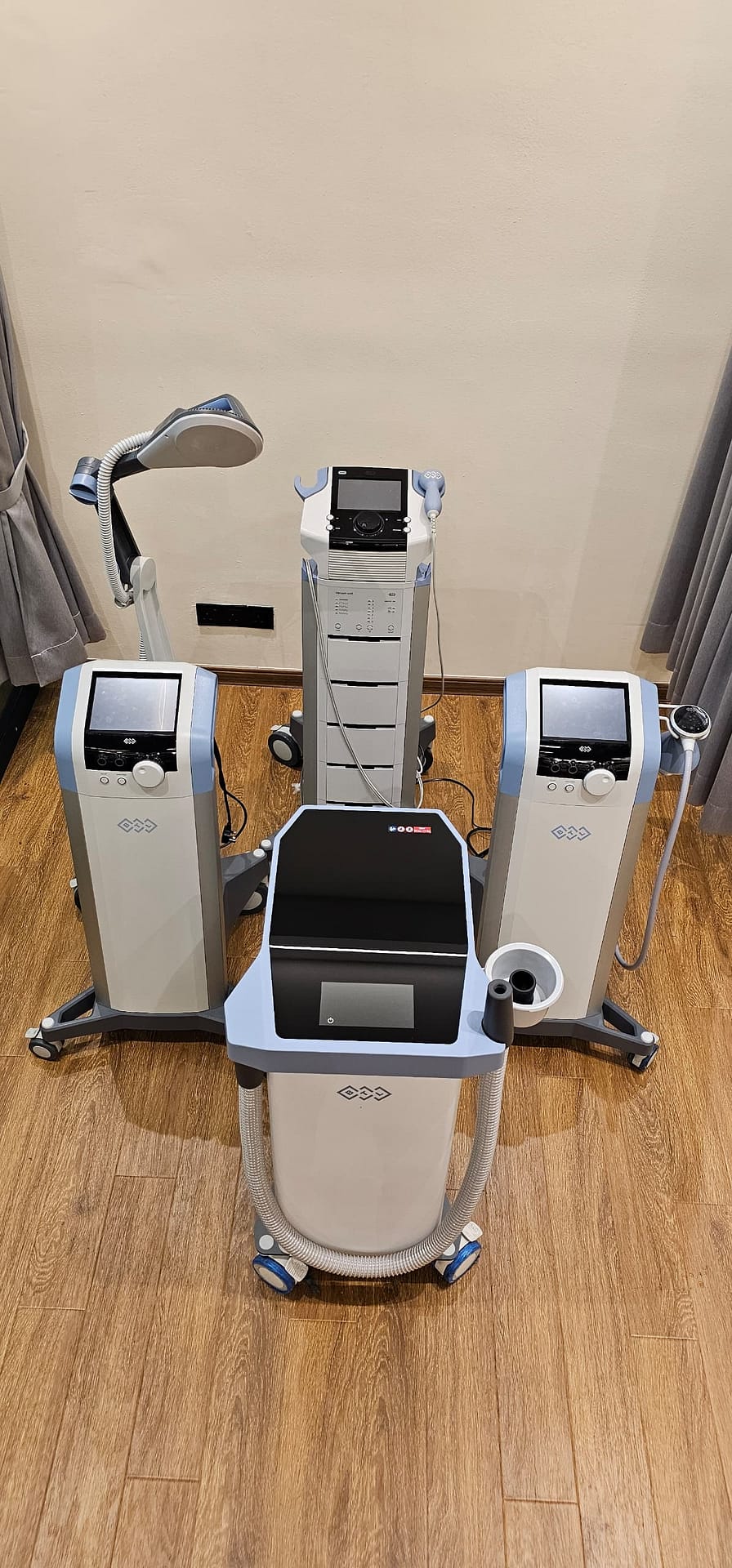
FFC Wellness uses resistance bands, balance balls, therapy tables, ultrasound machines, and electrical stimulation devices for effective rehab.
Can physiotherapy prevent injuries during training?
Yes, physiotherapists assess and correct imbalances or faulty movement patterns, reducing the risk of injury during physical training.
What factors influence a physiotherapists treatment approach?
Age, injury severity, activity level, medical history, and personal goals all guide the physiotherapist’s clinical decision-making process.
How do physiotherapists assist with mobility issues?
Through joint mobilizations, gait training, and personalized movement exercises, physiotherapists help restore smooth, pain-free mobility.
What outcomes can clients expect from physiotherapy?
With consistent care, clients can expect reduced pain, improved strength, better posture, enhanced mobility, and confidence in physical activities.