Frequently Asked Questions
What is the difference between a physiotherapist and physical therapist?
There is no difference—“physiotherapist” and “physical therapist” are interchangeable terms used in different regions. Both refer to licensed professionals who help people recover from injuries, manage pain, and improve mobility through movement-based therapy and clinical techniques.
Can a physiotherapist help with post-surgery recovery?
Yes. Physiotherapists play a crucial role in post-surgical recovery by creating personalized rehab programs that reduce pain, restore movement, rebuild strength, and help patients return to daily activities safely and effectively.
Do physiotherapists work with athletes to prevent injuries?
Absolutely. Physiotherapists assess movement patterns, correct muscle imbalances, and implement targeted strength and mobility exercises to help athletes prevent injuries and maintain peak performance.
How do personal trainers work with physios for client rehabilitation?
Personal trainers collaborate with physiotherapists by following tailored exercise guidelines for clients recovering from injury. This ensures continuity of care, reduces reinjury risk, and bridges the gap between rehab and performance training.
How does a physiotherapist diagnose and treat injuries?
Physiotherapists use detailed assessments, movement analysis, and patient history to diagnose injuries. Treatment may include manual therapy, exercise prescription, modalities like ultrasound or TENS, and education on injury prevention.
What is the role of a physiotherapist in patient care?
A physiotherapist’s role is to restore physical function, manage pain, promote healing, and empower patients through personalized treatment plans, rehabilitation programs, and education on health and mobility.
How does physiotherapy differ from massage therapy?
Massage therapy focuses primarily on soft tissue manipulation for relaxation or tension relief. Physiotherapy goes further, using clinical assessments, exercises, and rehabilitation strategies to treat injuries, improve movement, and support recovery.
Can a physiotherapist provide ergonomic advice for workplaces?
Yes. Physiotherapists can assess workstations and recommend ergonomic adjustments to prevent strain, improve posture, and reduce the risk of workplace injuries, especially for desk-based jobs or repetitive tasks.
What are the qualifications of a physiotherapist?
Physiotherapists hold a degree in physiotherapy and are licensed by a professional body. Many pursue further certifications in areas like sports rehab, manual therapy, neurology, or orthopedics.
How does a physiotherapist create a treatment plan?
A physiotherapist develops a plan based on the client’s condition, goals, and lifestyle. It includes phases of recovery with specific exercises, manual techniques, and education to guide progress over time.
How do physios help personal trainers with client assessments?
Physiotherapists can assist in identifying movement limitations, muscular imbalances, or past injuries, providing trainers with insight to create safer, more personalized training programs.
What techniques do physiotherapists use for rehabilitation?
Rehabilitation techniques include therapeutic exercise, manual therapy, neuromuscular re-education, dry needling, electrical stimulation, and progressive return-to-activity protocols.
How do physiotherapists assist with chronic pain?
Physiotherapists help manage chronic pain through movement therapy, posture correction, pain neuroscience education, manual techniques, and strategies that restore function and reduce reliance on medication.
What assessments do physiotherapists perform initially?
Initial assessments may include posture and gait analysis, range of motion testing, strength and flexibility evaluations, pain assessments, and functional movement screenings.
What conditions do physiotherapists commonly treat?
Common conditions include back and neck pain, sports injuries, arthritis, post-surgical recovery, neurological disorders, joint dysfunction, tendinitis, and chronic pain syndromes.
How important is patient education in physiotherapy?
Patient education is essential. It empowers individuals to understand their condition, follow treatment plans, prevent future injuries, and take an active role in their own recovery.
What is the physiotherapists approach to injury prevention?
Physiotherapists assess movement patterns, correct biomechanical issues, and prescribe exercises to enhance strength and flexibility—reducing the risk of injury recurrence or new injuries.
How does physiotherapy support recovery after surgery?
Post-surgical physiotherapy improves circulation, reduces scar tissue, restores joint function, and strengthens muscles, all while ensuring recovery progresses within the safe range prescribed by the surgeon.
What role do physiotherapists play in fitness training?
Physiotherapists complement fitness training by improving joint mobility, correcting muscle imbalances, managing pain, and helping clients move efficiently and injury-free during exercise.
How can physical therapists enhance athletic performance?
They optimize biomechanics, increase mobility and strength, and implement sport-specific movement drills to elevate athletic performance while minimizing injury risks.
What is the importance of manual therapy in physiotherapy?
Manual therapy helps reduce pain, improve joint mobility, release muscle tension, and support faster recovery by applying hands-on techniques to targeted areas.
How do physiotherapists customize treatment plans?
They tailor plans to each patient’s medical history, goals, functional limitations, and lifestyle, adjusting as recovery progresses for optimal outcomes.
What certifications validate a physiotherapists expertise?
Certifications such as Orthopedic Manual Therapy (OMT), Certified Clinical Exercise Physiologist (CEP), Sports Physiotherapy, and Dry Needling enhance a physiotherapist’s specialization and credibility.
How frequently should one see a physiotherapist?
Frequency varies depending on the condition. Acute injuries may require 2–3 sessions per week, while maintenance or chronic care might need bi-weekly or monthly visits.
What is included in a physiotherapy initial consultation?
The initial consultation includes a detailed history review, physical assessment, diagnosis, goal-setting, and the start of a treatment plan or early intervention strategies.
How do physiotherapists address sports-related injuries?
They assess the mechanism of injury, apply targeted rehab protocols, guide safe return to sport, and address biomechanical flaws that contributed to the injury.
What equipment do physiotherapists commonly use?
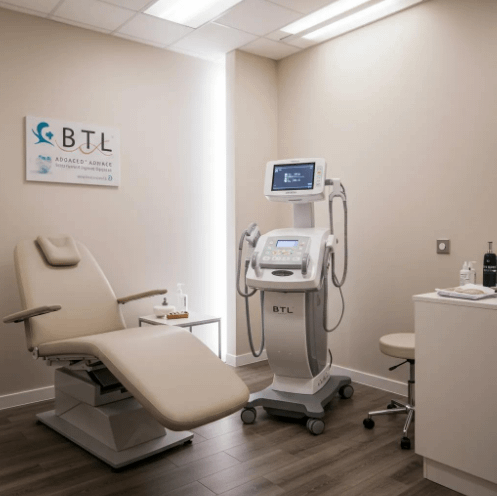
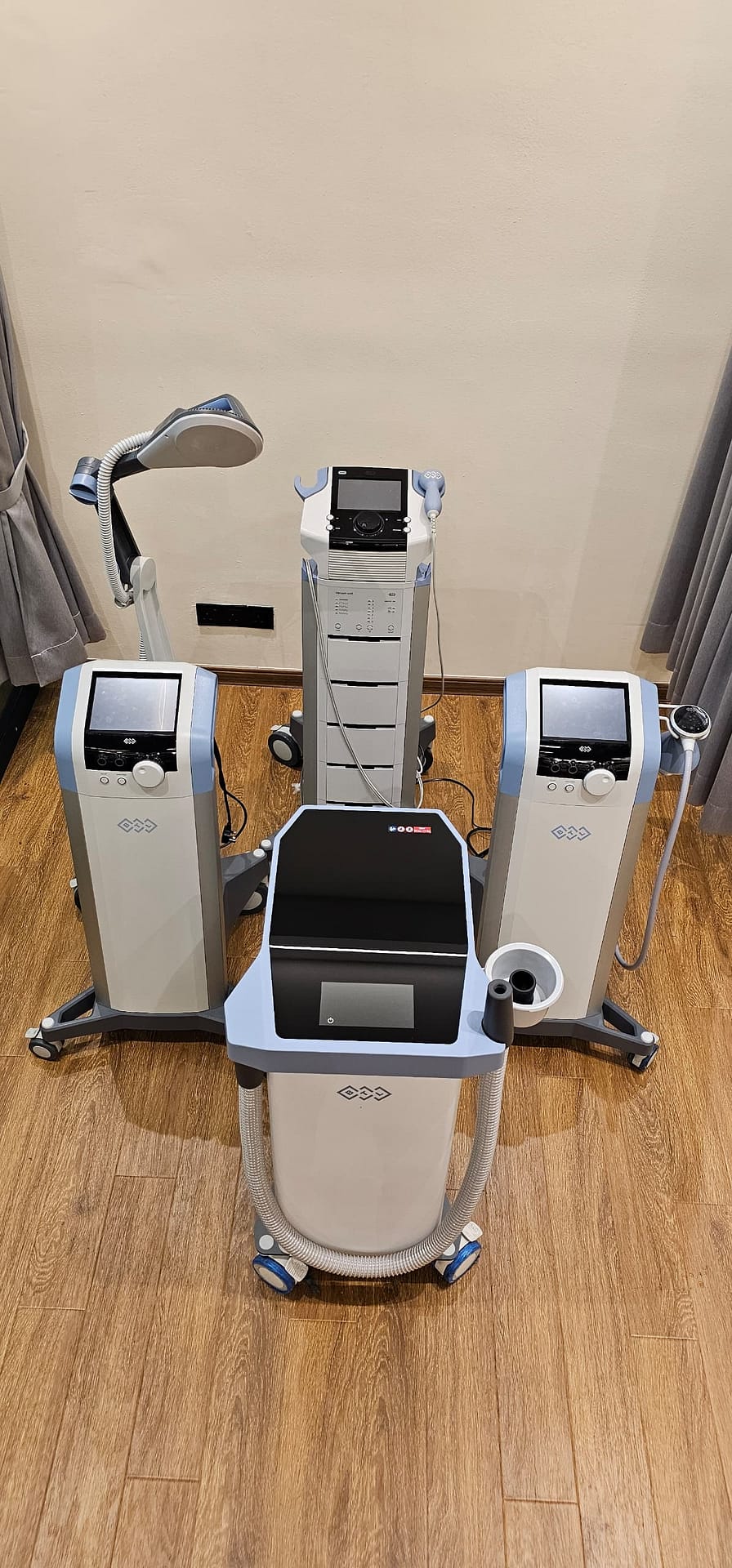
Common tools include resistance bands, balance trainers, foam rollers, TENS machines, ultrasound therapy, treatment tables, and mobility aids.
How can physiotherapy aid in improving mobility?
Physiotherapy improves mobility by targeting stiff joints, tight muscles, and coordination deficits with specific stretches, exercises, and manual techniques.
What communication strategies do physiotherapists employ?
They use clear, empathetic, and collaborative communication to educate patients, explain treatments, set expectations, and involve clients in their recovery process.
How do physiotherapists collaborate with other healthcare providers?
Physiotherapists work closely with GPs, orthopedic surgeons, personal trainers, occupational therapists, and psychologists to ensure coordinated and holistic patient care.